
Most conversations about influencers center on brand deals, affiliate links, and sponsored posts, and for good reason: that's how the majority of creator income gets made. But a smaller group of creators has built genuinely massive reach by doing the opposite, deliberately minimizing traditional monetization in favor of education, entertainment, or a clearly stated mission.
This piece profiles 16 of them, organized into three groups based on how they primarily build and maintain their audience relationship: through education, through community, and through mission-driven work. Social media users increasingly report feeling more connected to influencers than to traditional celebrity endorsements, largely because tools like live chats and comment threads let audiences interact directly with the people they follow, according to a peer-reviewed study in the International Journal of Environmental Research and Public Health. That two-way relationship is a big part of why the creators below have lasted, in some cases for well over a decade, without needing to promote something in every single video.
TL;DR
- Some of the most durable influencer careers are built on education, community, or mission rather than constant sponsorship revenue.
- Diversified income, YouTube ad revenue, Patreon, merchandise, and selective partnerships, tends to hold up better over time than sponsor-dependent income.
- Audience trust, not follower count, predicts whether a rare brand partnership actually converts.
- These creators aren't uniformly perfect case studies; a few have navigated real controversies, and it's worth understanding those honestly rather than glossing over them.
- Brands evaluating potential partners increasingly need tools that measure genuine alignment, not just reach.
Architects of Authenticity
This first group has built substantial influence primarily by teaching, generally without pausing for a sponsor message in the middle of the lesson. Their authority tends to come specifically from what they've chosen not to sell as much as from what they teach; a creator who never seems to be selling anything earns a different kind of trust than one who sells something every week.
1. Destin Sandlin (Smarter Every Day)
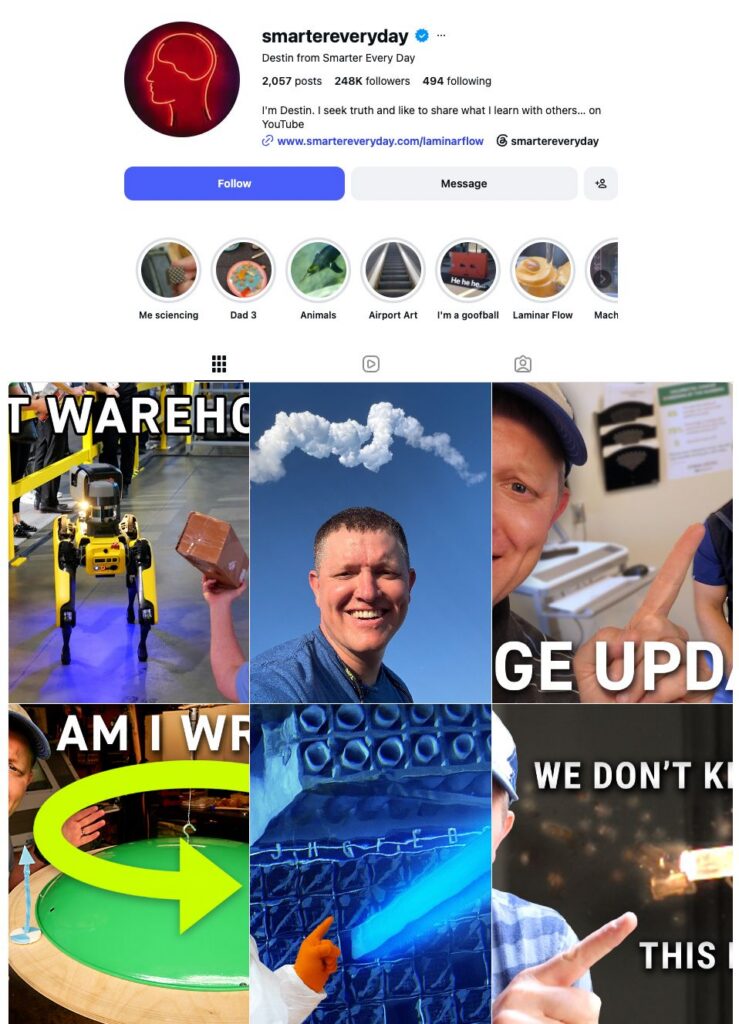
Destin Sandlin holds a bachelor's degree in mechanical engineering from the University of Alabama and a master's in aerospace engineering, and he's worked for years as a missile flight test engineer at Redstone Arsenal in Huntsville, Alabama, a role he's continued to hold even after his YouTube channel, Smarter Every Day, grew into one of the platform's most respected science and engineering channels, with 11.8 million subscribers.
His videos, often running well past 15 minutes, dig deeply into single concepts in physics, engineering, and natural phenomena, and he's been transparent with his audience about funding the channel primarily through YouTube ad revenue and Patreon rather than heavy sponsorship. When he does accept a sponsor, it tends to be a tool he already genuinely uses. That consistency, paired with his day job as a working engineer rather than a full-time creator dependent on the channel for income, gives him a degree of independence most creators don't have, and it shows up in an audience that trusts his recommendations precisely because he so rarely makes any. He's also active on X, where he engages directly with his audience between video releases.
2. Hank Green
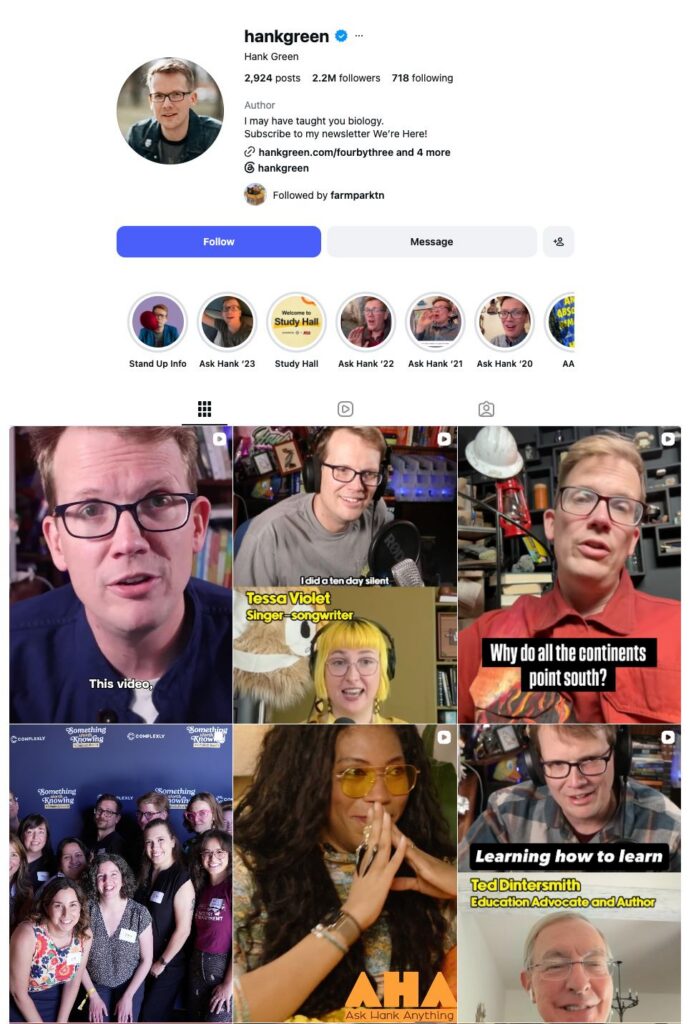
Hank Green co-created VlogBrothers with his brother John Green in 2007, and has since built or co-built an entire ecosystem of educational YouTube channels, including Crash Course and SciShow, that treat viewers more like students than customers. His own channel, Hank Green, has grown past 3 million subscribers on the strength of science communication and commentary alone.
His monetization runs through direct audience support via Patreon, YouTube ad revenue, and educational partnerships, alongside a separate career as a bestselling novelist, but his video content itself rarely pushes a product. He also co-created VidCon, the creator-economy conference, which extended his influence well beyond his own channels into the infrastructure of online video itself. His approach demonstrates something worth noting plainly: a creator can build a genuinely sustainable, decades-long career on educational value alone, without ever positioning a single video as an advertisement.
3. Mark Rober
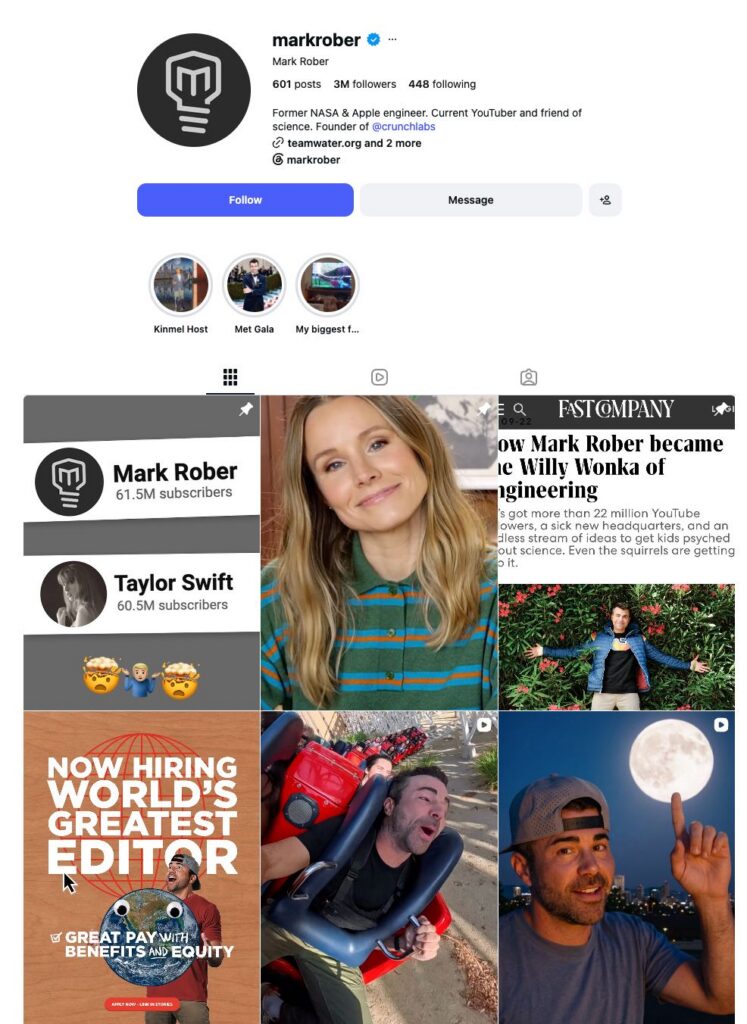
Mark Rober spent nine years at NASA's Jet Propulsion Laboratory, seven of them working on the Curiosity Mars rover, before leaving for a role at Apple and eventually building a YouTube channel, markrober, around elaborate, genuinely well-engineered projects. His "Glitter Bomb" video series, built to catch and humiliate porch package thieves, has drawn tens of millions of views on individual installments, and his channel now ranks among the most-subscribed on the platform.
Rober's content is largely funded through ad revenue and select partnerships that align closely with projects he'd build regardless of sponsorship, along with his own company, CrunchLabs, which sells build-it-yourself engineering kits directly. His son is on the autism spectrum, and in 2021 he co-hosted a livestream fundraiser with Jimmy Kimmel that raised more than $3.5 million in a matter of hours for autism research. That fundraiser is worth noting specifically because it shows his platform doing something beyond entertainment or commerce entirely; the causes he chooses to spotlight are personal ones, not brand-driven ones. It's also worth a brief, honest note: Rober, along with several other prominent creators, faced criticism in late 2024 and early 2025 for having promoted the Honey browser extension before an investigation revealed the tool was misrepresenting its coupon-finding claims to users, a reminder that even creators known for scrutiny can end up on the wrong side of a sponsorship they didn't fully vet. He can be followed on Instagram as well.
Community First Creators
This group built influence primarily through the depth and consistency of the relationship with their audience, rather than through teaching a specific subject or avoiding commercialization altogether. Their revenue tends to come from a mix of platform ads, merchandise, membership programs, and partnerships they've genuinely chosen rather than simply accepted.
| Creator Strategy | Sponsor-Dependent Approach | Community-First Approach |
| Primary revenue | Sponsored content, affiliate links | YouTube ads, Patreon, merchandise |
| Content frequency | Algorithm-driven, high volume | Consistent, quality-focused schedule |
| Brand partnerships | Accept most offers meeting a rate threshold | Accept only closely aligned partnerships |
| Audience relationship | Viewers treated primarily as consumers | Viewers treated as a community |
| Long-term trajectory | Trust often erodes as sponsorships accumulate | Trust tends to compound over time |
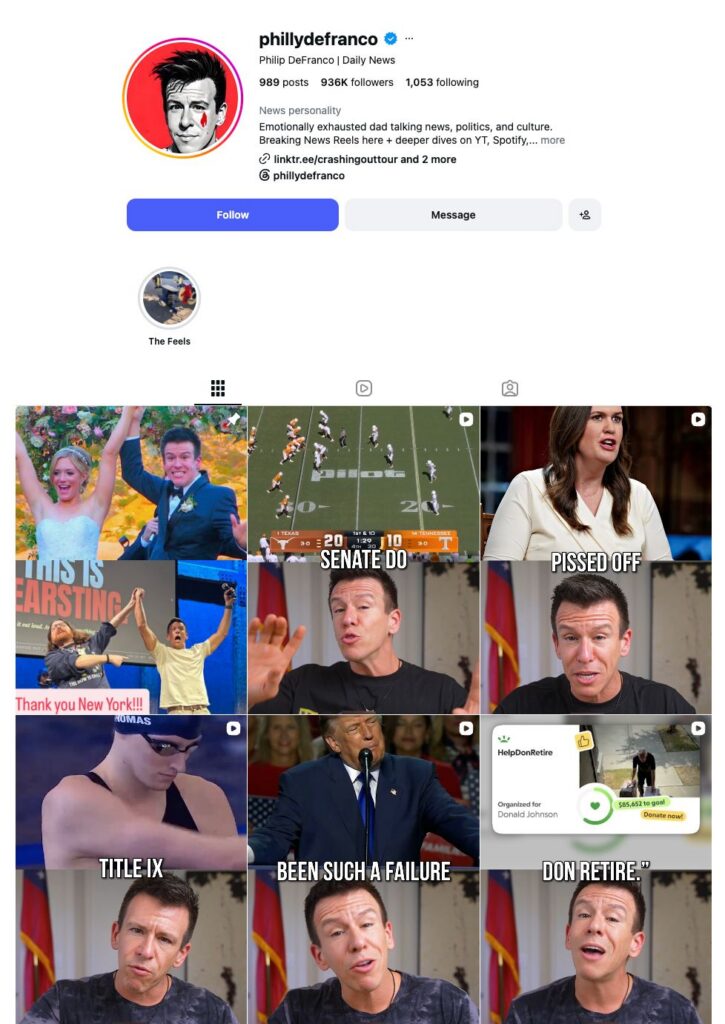
4. Philip DeFranco
Philip DeFranco has produced independent news and commentary on YouTube since 2006, building an audience partly by covering stories he felt mainstream outlets handled poorly, and funding the operation through a mix of YouTube ads, merchandise, and direct audience support. His main channel, Philip DeFranco, has surpassed 6.6 million subscribers.
It's worth being direct about a genuine controversy here rather than glossing over it, since it's actually more instructive than a clean success story would be. In 2018, DeFranco and several other prominent YouTubers, including Shane Dawson, faced significant public backlash over sponsorships with the mental health app BetterHelp, after users raised concerns about the service's practices. Reporting at the time, including from The Atlantic and Polygon, found that DeFranco's production company, Rogue Rocket, had been operating as an undisclosed ad agency for other creators' BetterHelp sponsorships, taking a percentage of the resulting revenue without disclosing that business relationship, which fell short of FTC disclosure standards. DeFranco suspended BetterHelp sponsorships pending an internal review, then ended the partnership entirely after concluding that a meaningful part of his audience felt sponsorship in the mental health category was inappropriate regardless of the specific dispute. The episode is a useful, honest illustration of a real principle: even creators known for editorial independence can end up with an undisclosed conflict of interest, and how a creator responds once that's exposed, whether they double down or actually change course, tends to matter more for long-term trust than whether the initial mistake happened at all. Understanding authenticity in influencer marketing means taking both halves of that story seriously, not just the parts that flatter the creator. He's also active on X and Instagram.
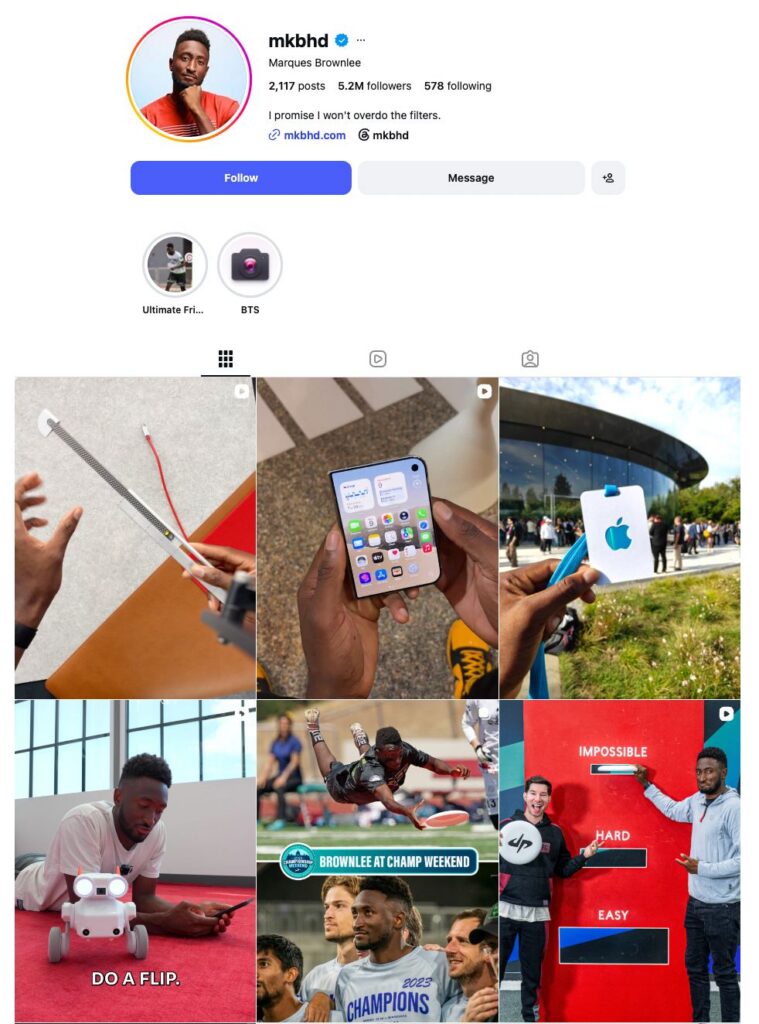
5. Marques Brownlee (MKBHD)
Marques Brownlee started reviewing technology from his dorm room and has since built one of the most-watched and most-trusted tech review channels on YouTube, MKBHD, with a subscriber base in the tens of millions and enough industry credibility to land interviews with major tech CEOs.
His reviews are known for genuine willingness to criticize products from companies that also sponsor his channel, which is a meaningfully rare practice in tech media specifically, where financial relationships with manufacturers can otherwise create quiet pressure toward positive coverage. His revenue comes through YouTube ads, Patreon, and a comparatively small number of disclosed sponsorships, and the credibility his reviews carry is a direct result of a track record built over years of not softening criticism when it was warranted. His official site, MKBHD.com, links out to his full network of channels and podcasts.
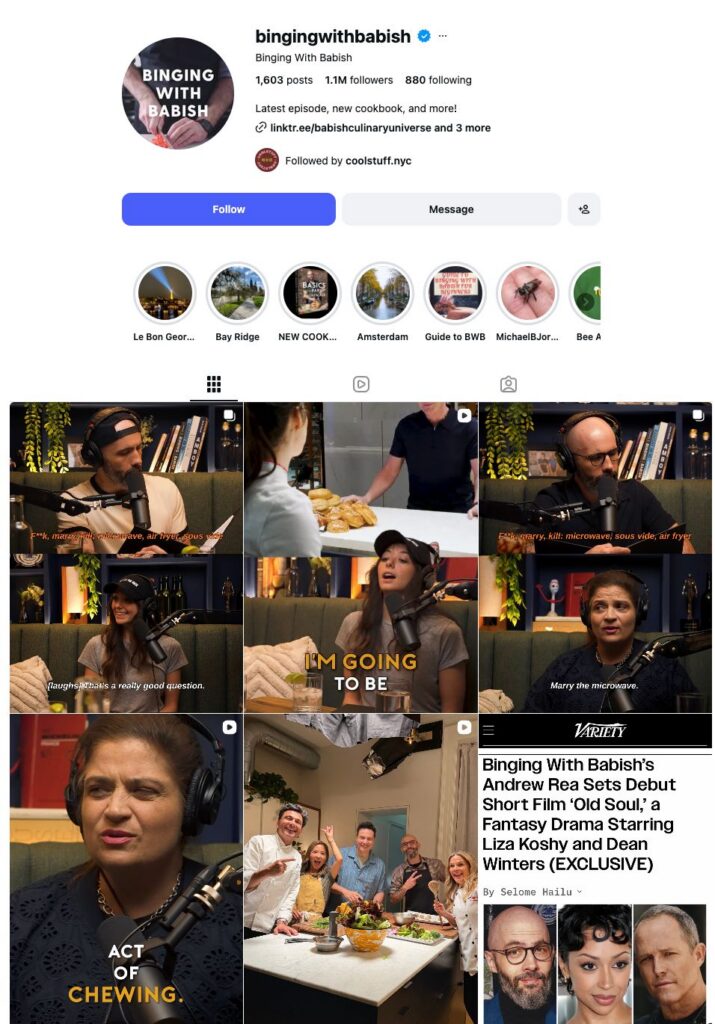
6. Binging with Babish (Andrew Rea)
Andrew Rea, who runs the channel Binging with Babish, built his following by recreating memorable meals from movies and television shows while teaching genuine cooking technique along the way, rather than centering episodes around kitchen equipment sponsorships.
His monetization includes YouTube revenue, cookbook sales, and occasional partnerships that fit naturally into existing content rather than interrupting it. When he recommends specific equipment, it tends to be because it demonstrably performs well for the technique being taught, not because a brand paid for the mention. He's since expanded into multiple shows and built a small production team, funded by the underlying trust his original format established. He shares behind-the-scenes content on X as well.
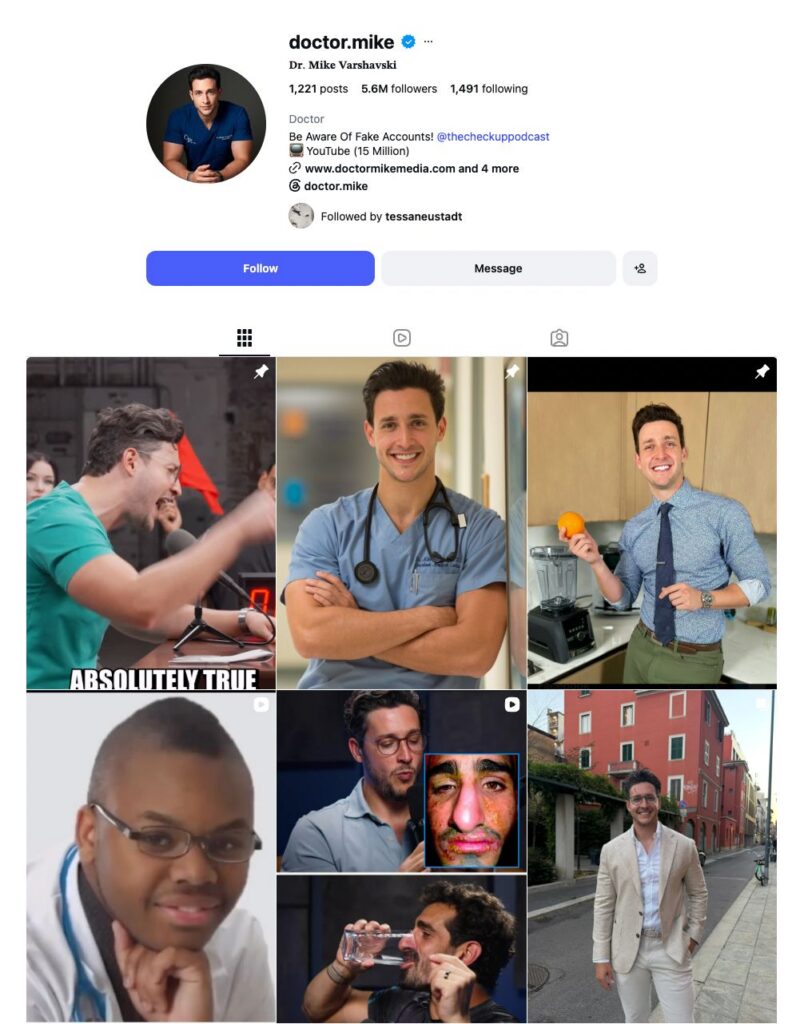
7. Dr. Mike (Mikhail Varshavski)
Mikhail Varshavski, known as Doctor Mike, is a board-certified family medicine physician who built a large social media following, more than 14 million YouTube subscribers and over 5 million on Instagram, by making medical information accessible while continuing to practice clinically. He's addressed health misinformation directly, including content examining how medical scenes in movies and television compare to real medicine.
His revenue comes through platform advertising and partnerships, and his medical license genuinely constrains what he can ethically promote in a way most creators' careers don't; professional medical ethics rules mean he can't endorse unsupported treatments or supplements regardless of what a sponsorship might pay. He founded The Limitless Tomorrow Foundation in 2015 to support students in need, and maintains relationships with several other philanthropic organizations, including Stand Up 2 Cancer, alongside his content work.
8. Emma Chamberlain
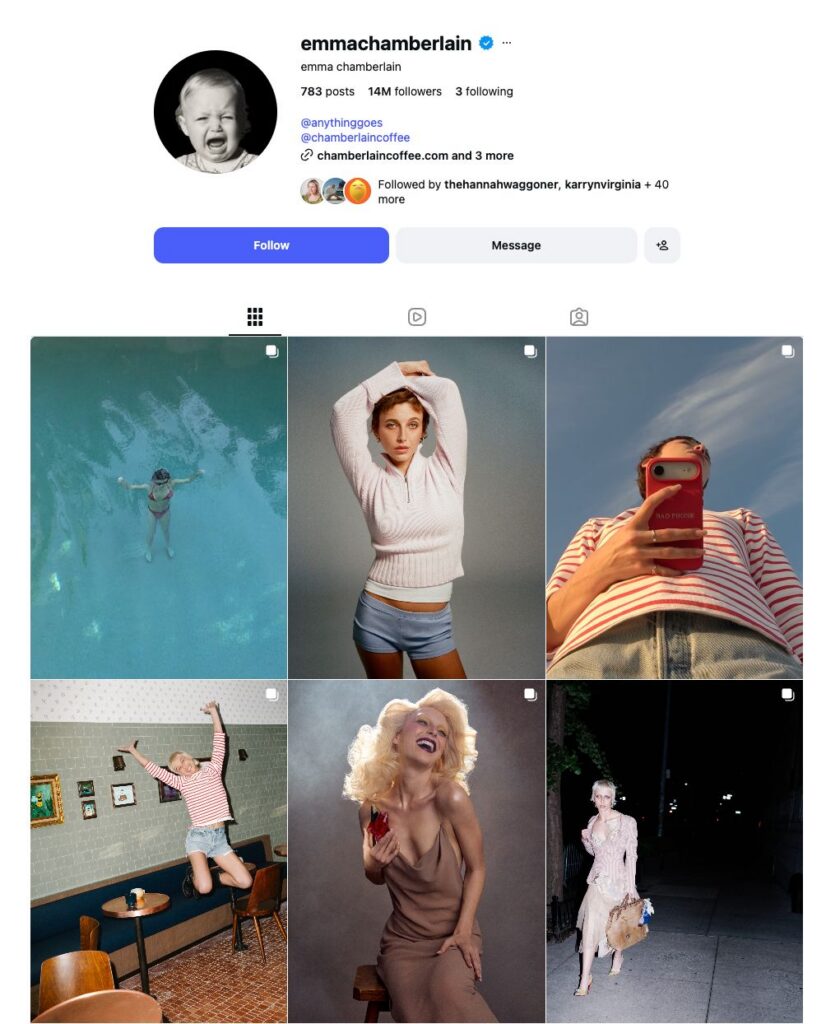
Emma Chamberlain built her early YouTube audience through unusually unfiltered, low-production vlogs that stood in sharp contrast to the more polished influencer content common at the time. That authenticity translated into real commercial trust: she became a Louis Vuitton brand ambassador in 2019, at 18, and a Cartier ambassador in 2022, both relationships that have continued for multiple years rather than functioning as one-off sponsored posts. Her main channel, Emma Chamberlain, has surpassed 11 million subscribers.
In December 2019, she launched Chamberlain Coffee, initially as a direct-to-mail coffee company, where she serves as co-founder and co-CEO with a substantial equity stake rather than simply as a spokesperson. The company has since expanded into retailers including Walmart, Target, Costco, and Whole Foods, opened physical café locations in Los Angeles, and posted projected 2025 revenue north of $30 million. Ongoing public discussion about influencer authenticity, including coverage from outlets like BBC News, reflects a broader audience skepticism toward constant product placement that Chamberlain's approach, building an actual company rather than simply endorsing one, tends to sidestep. She's also active on Instagram.
9. Michelle Khare
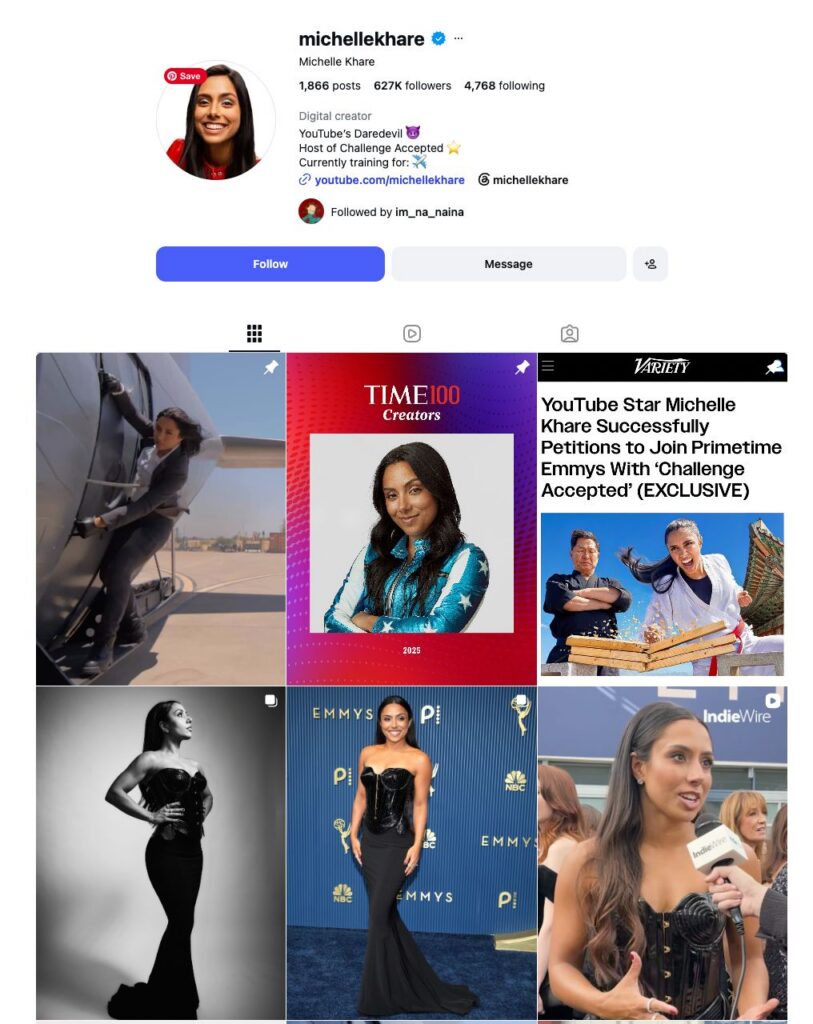
Michelle Khare builds her channel, Michelle Khare, around attempting demanding professional-level challenges, from military training to Olympic-caliber athletic feats, with content that succeeds through the storytelling of genuine struggle and improvement rather than through product placement.
The production costs behind this kind of content are genuinely high, and they're funded primarily through platform revenue and audience support rather than sponsorships that might otherwise dictate the format or pacing of a challenge. She's built a small production company, Doing Things Media, to support the growing scale of these projects, and the audience investment in her content tends to come from watching a real, uncertain outcome play out, which is a much harder thing for a sponsor to script than a standard product demo. She posts regularly to Instagram as well.
10. Safiya Nygaard
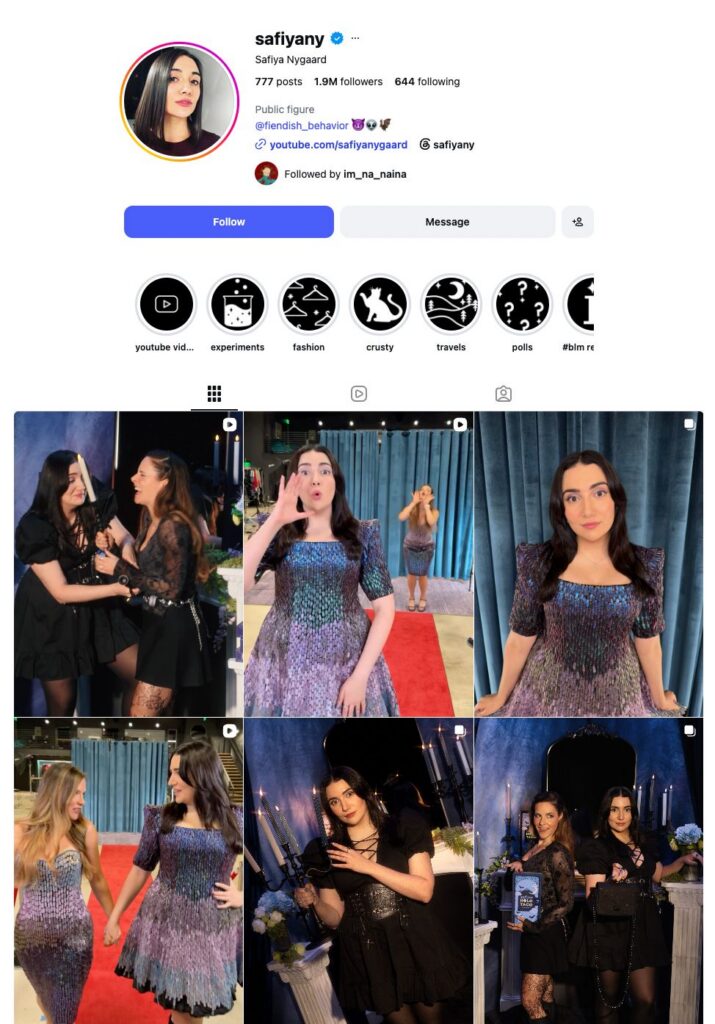
Safiya Nygaard built her channel, Safiya Nygaard, around analytical, experiment-driven content, videos that test beauty and fashion claims empirically rather than simply endorsing products, and content that has at times directly shown a product failing to perform as advertised.
Her revenue comes primarily through YouTube ads and a relatively small number of disclosed partnerships, and her merchandise sales, including her Holo Taco nail polish line, tend to succeed specifically because her audience already trusts her aesthetic judgment from years of watching her investigate claims skeptically. That critical, investigative posture is a meaningfully different trust proposition than a standard endorsement, since an audience that's watched a creator debunk products before has real reason to believe her when she says something actually works. She shares more on Instagram.
Impact Over Income Builders
This final group, spanning individual creators and one prominent brand, has built influence primarily around a stated mission, whether that's environmental advocacy, pure engineering curiosity, or scientific education, with monetization structured to support that mission rather than the other way around.
| Impact Metric | Sponsor-First Approach | Mission-First Approach |
| Audience trust over time | Often declines as sponsorship volume increases | Tends to increase with consistency |
| Content longevity | Frequently trend-dependent | Often genuinely evergreen |
| Revenue stability | Can be volatile, tied to sponsor demand | Generally more stable, community-supported |
| Creative freedom | Often constrained by sponsor requirements | Largely retained by the creator |
11. Colin Furze
Colin Furze, a former plumber from the UK, builds and documents outrageous engineering projects, homemade jet-powered go-karts, functional Wolverine claws, elaborate underground bunkers, on his channel colinfurze, funded primarily through YouTube revenue and the occasional partnership that supplies materials rather than dictating what gets built.
His content prioritizes engineering ambition over polished production value, and he's generally built what genuinely interests him rather than what a sponsor might request. Safety disclaimers throughout his videos reflect a degree of responsibility that coexists comfortably with the entertainment value of the builds themselves, and the enduring appeal of his channel suggests that genuine, self-directed passion projects can sustain an audience just as effectively as sponsor-driven content, often more so. He posts workshop updates on Instagram between video releases.
12. Casey Neistat
Casey Neistat built one of YouTube's most influential vlogging channels, CaseyNeistat, partly through a run of more than 700 consecutive daily video uploads documenting his life and filmmaking work in New York City, with content that rarely paused for an obvious sponsorship despite his channel's substantial reach.
In November 2016, CNN acquired his video-sharing app Beme for a reported $25 million, a deal built largely around bringing Neistat's creative sensibility in-house rather than around Beme's technology specifically. That arrangement didn't ultimately work as either side hoped: by January 2018, Neistat and Beme co-founder Matt Hackett left CNN, and the standalone Beme News project was folded into CNN Digital Studios after producing only a few dozen videos over roughly a year. It's a genuinely useful case study precisely because it didn't fully succeed: a creator's independent voice doesn't always translate cleanly into a corporate media structure, even with substantial financial backing, and Neistat's choice to leave rather than continue an arrangement that wasn't working reflects the same prioritization of creative control that built his channel in the first place.
13. NileRed
NileRed produces chemistry experiment videos that often take weeks or months to film and edit properly, funded primarily through YouTube ad revenue and Patreon rather than sponsorships that might otherwise pressure a faster production timeline.
The channel's willingness to show experiments failing, and to explain why, alongside the successes, reinforces the scientific process itself as the actual subject of the content, not just the impressive final result. Partnerships, where they exist, tend to be limited to scientific equipment suppliers the creator would realistically use regardless of any sponsorship arrangement, which keeps the content's credibility largely intact. Worth noting: the channel's popularity has made it a repeated target for deepfake impersonation channels using AI-generated audio and video, a problem fellow creator Hank Green has publicly warned viewers about, which is its own reminder of the reputational risks that come with a large, trusted audience.
14. Grant Sanderson (3Blue1Brown)
Grant Sanderson built 3Blue1Brown into one of the most respected math education channels on YouTube by treating visual intuition as the actual subject, not a decorative add-on to a lecture. He started the channel in 2015 as a side project while finishing a math and computer science degree at Stanford, and after a stint producing calculus content for Khan Academy, made it his full-time focus at the end of 2016. The channel has since grown to more than 8.6 million subscribers, with videos covering linear algebra, calculus, topology, and neural networks, all built around Manim, a Python animation library Sanderson wrote himself specifically to make abstract mathematical structure visible rather than just described.
His monetization model is genuinely rare and worth stating precisely: 3Blue1Brown does not run brand integrations or in-video sponsorships at all, a policy Sanderson states directly on the channel's own FAQ page. Revenue instead comes through Patreon supporter contributions and 3b1b Talent, a recruiting partnership that connects viewers with technical employers rather than inserting advertising into the educational content itself. That structural choice means every video is built purely around the topic and the visual explanation, with no sponsor segment competing for the viewer's attention or credibility.
In September 2026, Sanderson's channel was named among a small group of leading independent science creators, alongside Destin Sandlin of Smarter Every Day and several others, in a coordinated national media initiative spotlighting science YouTubers with a combined audience of more than 90 million subscribers, a reflection of how far this kind of rigorously educational, sponsorship-free content has moved from a niche experiment toward genuine cultural reach. The lesson that carries over from Vi Hart's earlier approach still holds here: a smaller, mathematically serious audience that engages deeply with genuinely difficult material can sustain a real, ongoing career without needing to dilute the content with a sponsor's message, and Sanderson's continued output years after Hart's channel went offline shows that model can hold up over the long run, not just as a one-time proof of concept.
15. Simone Giertz
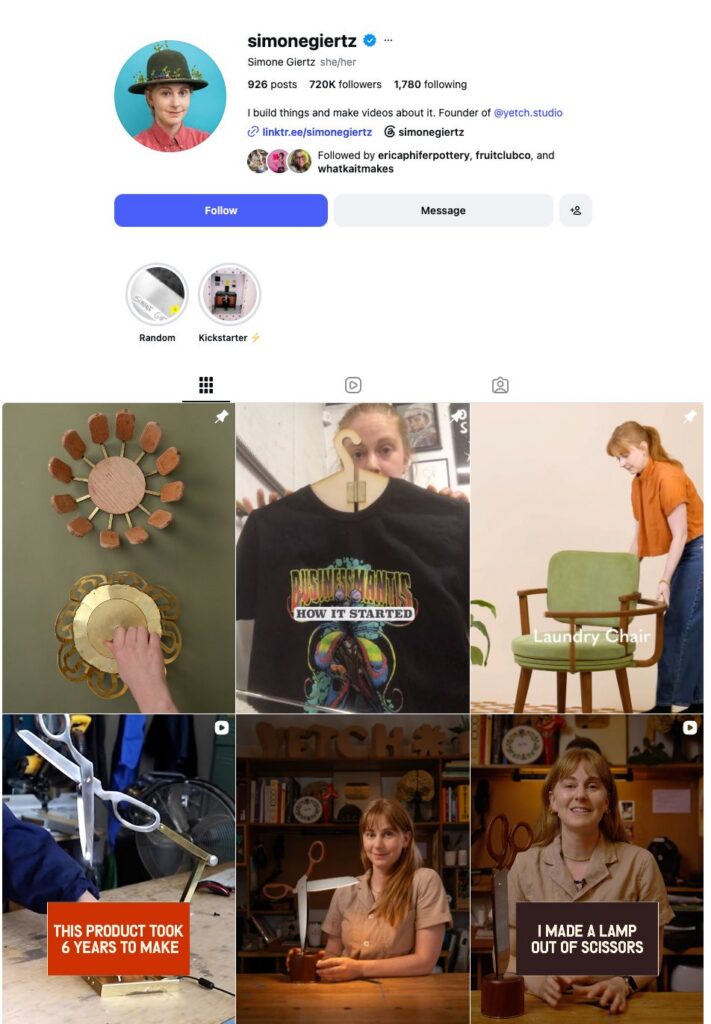
Simone Giertz, a Swedish inventor, is best known for building intentionally "useless" robots, a breakfast-serving contraption that reliably makes a mess, a lipstick-applying robot that rarely applies lipstick where intended, that treat engineering failure as the actual entertainment and teaching material rather than something to edit out. Her channel, Simone Giertz, has drawn nearly 3 million subscribers.
She's also built genuinely functional projects, including an electric truck conversion that demonstrated real engineering competence beyond the comedic robots. In 2018, she publicly documented undergoing brain surgery to remove a tumor, sharing the experience candidly with her audience rather than stepping away from public view during a difficult period. Her revenue comes through YouTube ads, Patreon, and merchandise, and her willingness to show visible failure, in both her robots and her personal life, has built a specific kind of trust that a more polished, success-only channel typically can't replicate. She's also active on X.
Finding Creators Who Match Your Values
These 16 creators, across very different subjects and formats, built sustainable careers by prioritizing genuine value over constant monetization. If you're a brand trying to find and partner with similarly aligned creators, the practical challenge is real: most discovery tools sort primarily by follower count and surface-level engagement rate, neither of which tells you much about whether a creator's actual values, content ratio, or audience relationship match what your brand needs.
SPIRRA's AI-powered platform is built around exactly that gap. Its Audience Alignment Score™, Brand Alignment Score™, and Content Alignment Score™ analyze whether a creator's audience and content patterns genuinely match a brand's positioning, rather than relying on reach alone to make that judgment. Because SPIRRA operates a 100% verified influencer network, brands can also rule out the specific risk of partnering with an account whose reach is inflated by purchased followers or bot engagement before that risk ever reaches a live campaign. Understanding how to identify the right influencers for your brand increasingly means looking past vanity metrics toward this kind of substantive alignment data.
Ready to find creators who genuinely align with your brand's mission? Schedule a demo with SPIRRA to see how AI-powered alignment scoring identifies partnerships built on genuine fit rather than reach alone.
Frequently Asked Questions
How do influencers who don't constantly promote products make money?
Several revenue streams don't depend on regular sponsorships. YouTube ad revenue pays based on views and watch time; Patreon and membership programs let audiences directly fund a creator's work in exchange for extra content; merchandise sells when an audience feels a genuine connection to a creator's brand; and speaking engagements, consulting, and book deals convert established credibility into other forms of income. Many of the creators profiled above combine several of these streams specifically so no single one, including sponsorships, becomes the dominant source of income.
Is building influence without constant sponsorships actually sustainable long-term?
The creators profiled here suggest yes, though it generally requires patience most creators underestimate at the start. Diversified income tends to be more stable than sponsor-dependent income, since it isn't as exposed to any single advertiser's budget changes or a platform's shifting ad rates. Educational and genuinely evergreen content also tends to keep generating views, and therefore revenue, for years after publication, unlike time-sensitive promotional content that loses relevance within days. That said, sustainability here isn't automatic or risk-free, as Philip DeFranco's BetterHelp episode, Mark Rober's Honey sponsorship, and Casey Neistat's experience with Beme all show; independence from constant sponsorship doesn't eliminate the need for good judgment or disclosure discipline.
How can brands identify influencers who prioritize authenticity over constant promotion?
A few concrete signals are worth checking directly. Look at the actual ratio of sponsored to organic content over several months, not just the most recent posts. Read comment sections for genuine trust markers rather than generic praise, and check whether a creator has ever publicly turned down a partnership or criticized a product, including one from a past sponsor. It's also worth checking whether engagement noticeably drops specifically on sponsored content compared to organic posts, which is often a sign the audience distinguishes between the two. Platforms like SPIRRA that build alignment scoring on top of verified audience data can surface a lot of this automatically, rather than requiring a brand team to review months of content by hand.
What's the practical difference between education-first and community-first creators?
Education-first creators, like Sandlin and Rober, generally measure success by whether viewers actually learn something or come away understanding a concept more deeply. Community-first creators, like DeFranco and Brownlee, tend to measure success more through ongoing trust, participation, and genuine two-way dialogue with their audience over time. Both groups tend to avoid heavy sponsorship, but for related rather than identical reasons: education-first creators worry sponsorship pressure will compromise instructional accuracy, while community-first creators worry it will damage the trust their audience relationship depends on. In practice, a brand partnership that would work well with one type may not translate cleanly to the other, which is part of why genuine content alignment matters more than simply matching a budget to a follower count.
How should brands vet an influencer to avoid reputational risk?
Review a creator's full content history rather than just their highlight reel or most recent posts, and look specifically at how they've handled any past controversies publicly, since that pattern tends to predict how they'll handle a future one. Check for consistency between their stated values and their actual partnership history, verify their audience and engagement claims rather than taking a media kit at face value, and confirm their FTC disclosure practices are actually compliant, not just present. Platforms with a verified network, like SPIRRA's, reduce a meaningful share of this manual work by confirming audience authenticity upfront, but no verification tool replaces actually watching a reasonable sample of a creator's content before committing to a partnership.
Final Thoughts
The 16 creators covered here didn't all get everything right, and that's arguably a more useful takeaway than a highlight reel of unblemished success stories would be. Destin Sandlin has built trust through consistent education over nearly two decades. Emma Chamberlain built a genuine company rather than simply lending her name to one. Philip DeFranco navigated a real disclosure failure and, eventually, changed course because his audience told him it mattered. Patagonia restructured its entire ownership around a stated mission rather than treating that mission as a marketing layer on top of business as usual.
What connects them isn't perfection. It's that they built something, whether a body of teaching, a community, or a company, that didn't depend entirely on the next sponsorship check to survive. That distinction matters for anyone evaluating a potential creator partnership: a creator with a smaller but genuinely engaged audience, who has clearly said no to misaligned opportunities before, is generally a safer and more effective long-term partner than one who accepts nearly every offer that meets a rate. Alignment, more than raw reach, tends to be what actually determines whether a partnership benefits both sides or just one.