
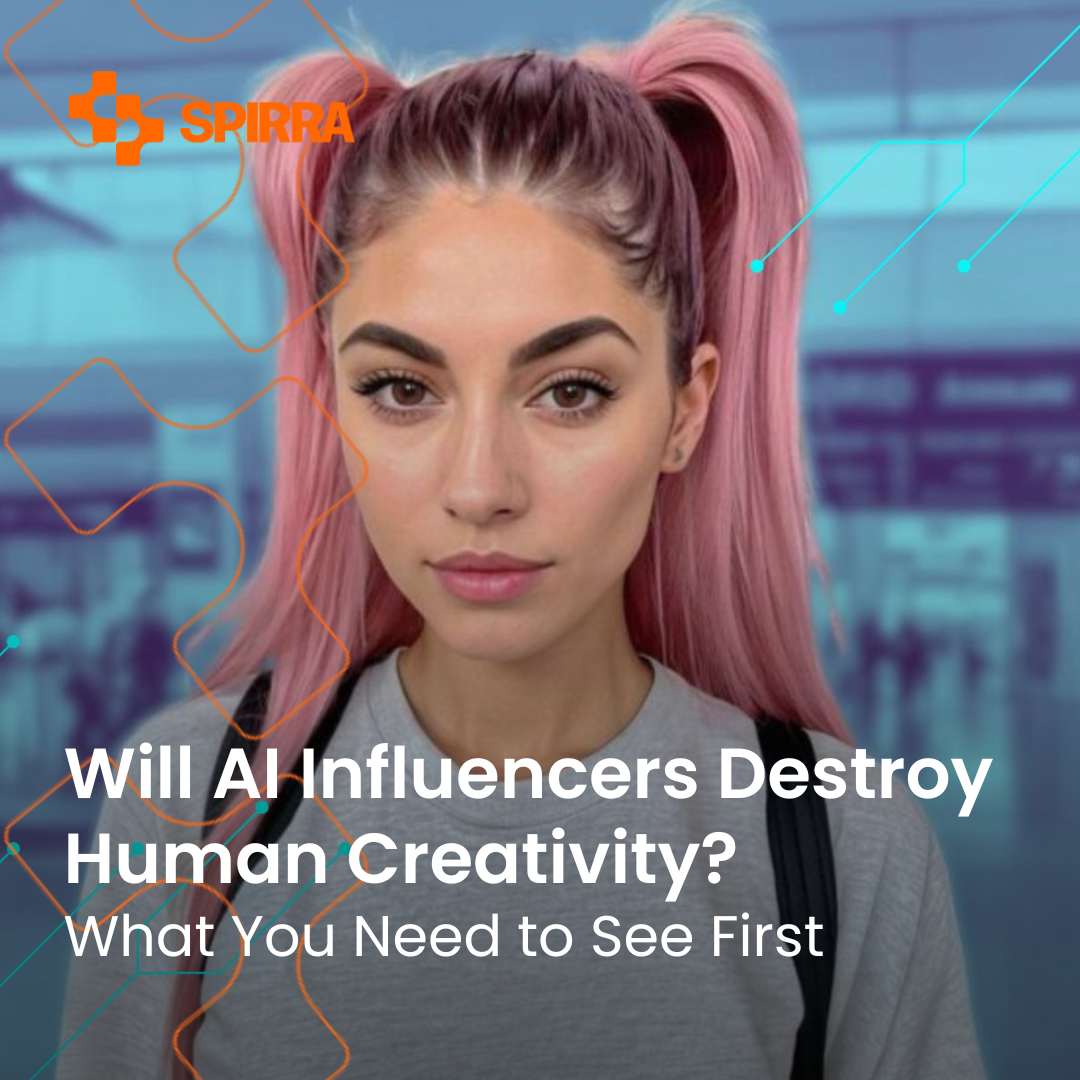
The emergence of AI influencers – virtual personas powered by generative algorithms and motion-capture artistry – raises the question: will these synthetic advocates eclipse human ingenuity or catalyze a new era of collaborative creativity? Brands face a choice between cost-efficient digital ambassadors and the authentic spark of human creators. This article unpacks the anatomy of AI social media influencers, examines the impact on human creativity, explores ethical and legal considerations, and reveals how Spirra.io’s AI-powered influencer marketing platform helps you harness virtual talent responsibly. You’ll discover:
- Foundational definitions and evolution of AI influencers
- Brand advantages in scalability, personalization, and ROI
- Ways AI amplifies rather than replaces human creative vision
- Ethical dilemmas around authenticity, copyright, and FTC compliance
- Spirra.io’s platform capabilities for ethical AI influencer campaigns
- Future market trends, ROI benchmarks, and consumer trust challenges
- Practical steps to design your own AI influencer with transparency
Whether you’re evaluating digital spokesmodels or refining your influencer mix, this deep dive will equip your brand with the insights needed to stay ahead – then book a demo to experience Spirra.io’s responsible AI influencer solutions.
What Are AI Influencers and How Are They Changing Marketing?
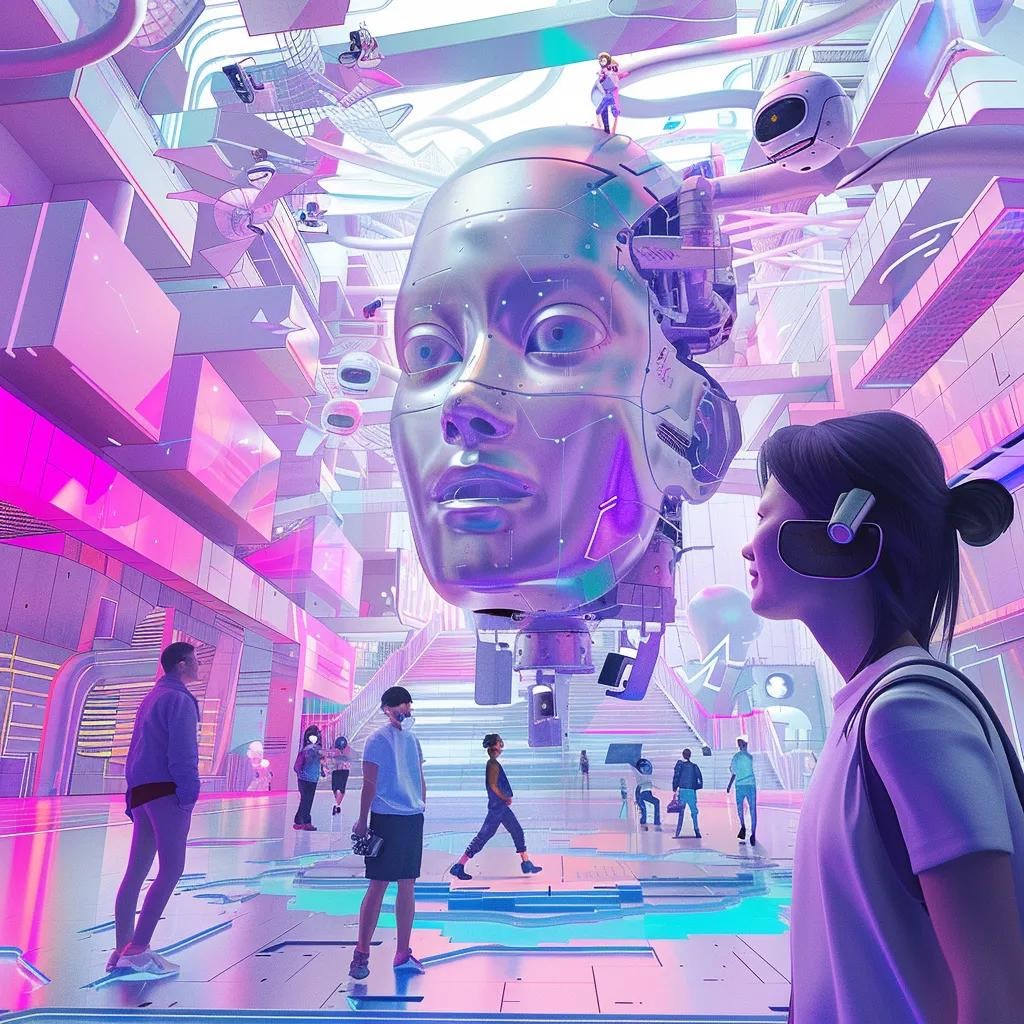
AI influencers are computer-generated personas whose lifelike imagery and data-driven targeting transform how brands engage audiences. By combining machine learning with creative design, these virtual creators deliver consistent messaging, scalable campaigns, and 24/7 social presence – driving up to 30% cost savings over traditional ambassadors.
What Defines an AI Social Media Influencer?
An AI social media influencer is a synthetic digital creator crafted through 3D modeling, generative adversarial networks, and behavior-analysis algorithms to engage followers like a human content producer. These virtual advocates mimic human influencers’ attributes – voice, style, audience interactions – while granting brands precise creative control and data-driven optimization.
How Have Virtual Influencers Evolved Over Time?

Virtual influencers began as simple CGI mascots in the early 2010s and have matured into data-driven digital creators integrated with AR filters and audience-analysis tools. Key milestones include:
- 2016: Debut of Lil Miquela on Instagram
- 2018: Shudu Gram achieves editorial spreads
- 2020: AI algorithms enable real-time audience sentiment analysis
- 2022: Virtual concerts and interactive livestreams by synthetic avatars
The transition from static CGI to dynamic, AI-enhanced storytelling highlights how technology continually broadens creative horizons.
Why Are Brands Turning to AI Influencers for Marketing?
AI proponents define virtual advocacy as a blend of consistent brand storytelling and precision targeting through predictive analytics, enabling campaigns that adapt in real time and maintain uniform messaging across markets.
What Are the Key Benefits of AI Influencers for Brands?
Brands favor AI influencers for efficiency, scalability, and cost control without compromising creative standards. Core advantages include:
- Scalability: Deploy a single virtual persona across multiple platforms concurrently.
- Cost Efficiency: Reduce talent fees and travel expenses by up to 30%.
- Creative Control: Customize every aspect of appearance and messaging.
- Data-Driven Targeting: Leverage AI analytics to refine audience segments.
How Does AI-Powered Influencer Discovery Improve Campaigns?
AI-powered influencer discovery deploys machine learning to match brand objectives with digital personalities whose audience demographics, interests, and engagement patterns align precisely. By analyzing over 200 data points – from audience sentiment to posting cadence – brands can streamline selection, reduce manual research, and enhance campaign performance. To explore Spirra.io’s matching engine, see our AI discovery overview at https://spirra.io/features.
How Do AI Influencers Enhance Personalization and Data-Driven Marketing?
AI influencers integrate first-party data and real-time analytics to personalize content at the individual level. They adapt captions, visuals, and interactive elements based on audience segments, driving higher engagement and conversion rates. Key mechanisms include:
- Automated A/B testing of visuals and copy
- Dynamic content adaptation to time zones and cultural trends
- Integration with CRM systems for personalized messaging
These capabilities prime brands for precision outreach, setting the stage to explore AI’s effect on creative collaboration.
How Does AI Impact Human Creativity in Influencer Marketing?
AI influencers complement human ingenuity by automating routine tasks – like content scheduling and basic design – freeing creative teams to focus on high-impact storytelling and conceptual innovation.
In What Ways Does AI Augment Rather Than Replace Human Creativity?
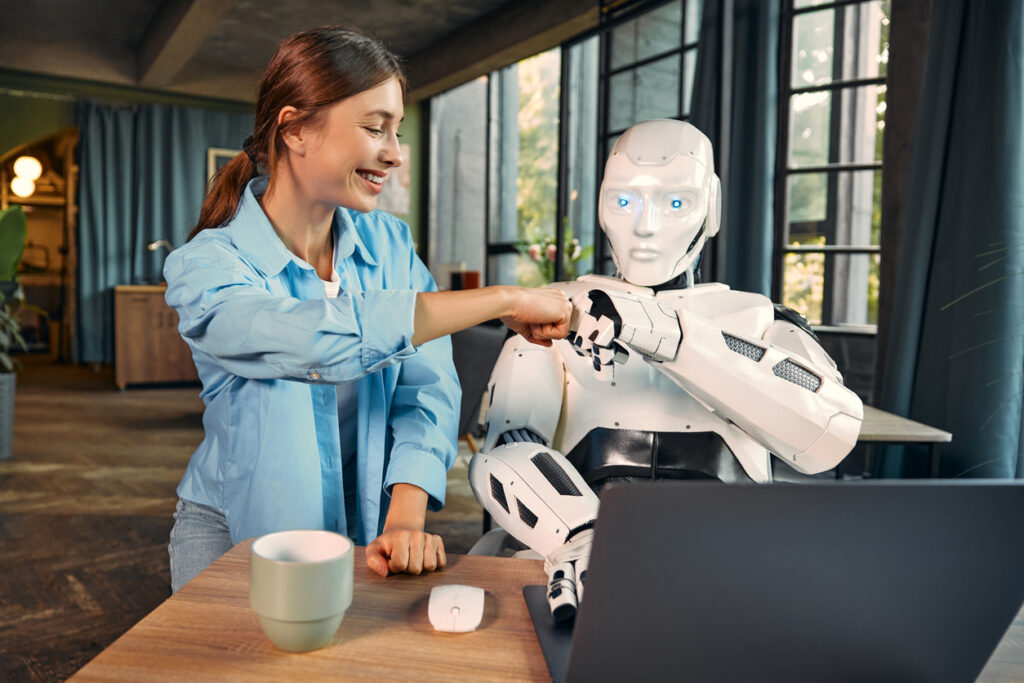
AI serves as a co-creator by handling repetitive editing, generating draft visuals, and providing data-backed insights, which human creators refine with emotion, context, and brand voice. This partnership accelerates ideation cycles and empowers teams to experiment with bold creative directions.

What Is the Role of Human-AI Collaboration in Content Creation?
Human-AI collaboration blends intuitive storytelling with algorithmic precision. Creatives establish the narrative arc and authenticity, while AI tools optimize imagery, test engagement scenarios, and suggest trending cultural hooks. This synergy yields richer content that resonates on both emotional and analytical levels.
Can AI Tools Inspire New Forms of Creative Expression?
AI-driven generative art platforms, voice-synthesis engines, and augmented-reality filters enable entirely new formats – interactive narratives, virtual try-ons, and immersive brand experiences – that human teams could not feasibly produce manually. These innovations broaden the creative playbook for influencer campaigns.
What Are the Ethical and Legal Challenges of Using AI Influencers?
How Does the Authenticity Dilemma Affect Consumer Trust?
When audiences discover a digital persona lacks human authorship, trust can erode. Transparent disclosure builds credibility, while hidden synthetic endorsements risk backlash and brand damage. Clear labeling – such as “Virtual Ambassador” – mitigates mistrust and maintains engagement.
Ethical Considerations in AI Influencer Marketing
A significant challenge in AI influencer marketing is maintaining consumer trust and addressing authenticity concerns. Transparency in disclosing the use of virtual spokesmodels, co-creating narratives with human storytellers, and soliciting real-time feedback are crucial for building credibility and emotional resonance.
What Are the Copyright and Ownership Issues for AI-Generated Content?
AI-generated imagery and scripts occupy a legal grey zone: most jurisdictions require substantive human input for copyright protection. Without clear ownership, brands risk disputes over likeness rights and derivative content. Navigating these complexities demands explicit contractual agreements and creative oversight.
How Can Brands Navigate FTC Regulations and Disclosure Requirements?
The Federal Trade Commission mandates clear disclosure of paid partnerships, including synthetic endorsements. Brands should:
- Label AI influencer posts with “#ad” and “#sponsored.”
- Include platform-approved disclosure language in captions.
- Archive documentation of AI content generation to demonstrate transparency.
Following these rules ensures compliance and preserves audience trust.
How Does Spirra.io Empower Brands to Use AI Influencers Responsibly?
How Does Spirra.io Address Challenges in AI Influencer Marketing?
While AI-generated influencers are on the rise, most brands still see the highest ROI from real people with genuine communities. SPIRRA helps brands harness that authenticity — while using AI to eliminate risk and guesswork.
Our platform verifies real engagement, audience authenticity, and brand alignment across thousands of creators. Using real-time performance data, sentiment analysis, and proprietary alignment scores, SPIRRA identifies which influencers actually connect with your audience — not just who looks good on paper.
Through tools like CoraIQ™ and our Alignment Analysis Suite, brands can:
- Detect inauthentic engagement and inflated metrics
- Evaluate creator-brand fit using content and audience alignment scores
- Surface top-performing influencers with proven ROI potential
- Maintain FTC compliance and cultural alignment with ongoing monitoring
SPIRRA’s AI doesn’t replace human creators — it protects and amplifies them. The result: real partnerships, real audiences, and real results that build trust and long-term brand equity.
What Are the Future Trends and ROI Insights for AI Influencer Marketing?
How Is the Virtual Influencer Market Expected to Grow by 2025?
The virtual influencer space is expanding quickly — but it’s still a fraction of the human creator economy.
According to Grand View Research, the global virtual influencer market was valued at $6.06 billion in 2024 and is projected to reach $45.88 billion by 2030, growing more than 40% annually. Other reports, like Straits Research and Roots Analysis, estimate the market will fall between $8–11 billion by 2025, driven by enterprise experiments in AI-driven storytelling, AR activations, and virtual brand ambassadors.
These numbers reflect a clear trend: brands are curious about the scalability and novelty of AI personas. But while the technology is accelerating, questions around authenticity, brand alignment, and audience trust remain wide open.
AI Influencer Market Growth
The broader influencer marketing industry (powered by real people) is already well established.
According to Influencer Marketing Hub, the global creator economy is projected to reach $32.55 billion in 2025, while Mordor Intelligence expects it to surpass $120 billion by 2030. Compared to the smaller (though fast-growing) AI segment, human-led influencer marketing offers deeper relationships, measurable trust, and proven ROI.
That’s where SPIRRA comes in. Our platform helps brands connect with verified creators who have authentic engagement and real influence. We combine AI-powered data analysis with human insight, ensuring every partnership reflects your brand values and reaches a genuine audience.
What ROI Can Brands Expect from AI Influencer Campaigns Compared to Human Influencers?
Recent benchmarks show that AI influencer campaigns yield an average ROI of 13.7%, compared to 12.3% for human influencers. The edge comes from:
- Lower overhead (no travel, production crews, or scheduling conflicts)
- Faster content generation cycles
- Machine learning–driven audience targeting that gets sharper over time
As algorithms evolve and data sets deepen, these returns are expected to grow – making AI-powered campaigns not just viable, but increasingly profitable.
What Are Common Concerns About AI Influencers’ Trustworthiness and Authenticity?
While AI influencers offer speed, scalability, and performance gains, trust remains a sticking point. In fact, 36.7% of marketers cite authenticity as their top concern, and 19% worry about triggering consumer distrust.
Audiences are increasingly savvy – and skeptical. When virtual personas feel overly polished or lack emotional depth, they can erode credibility rather than build it. To succeed, brands must go beyond aesthetics and adopt strategies that reinforce trust at every stage.
That means using clear disclosure language, maintaining a consistent and values-aligned brand voice, and often deploying hybrid campaigns that blend AI influencers with real human creators. This approach preserves scalability while grounding the campaign in emotional relatability – a key ingredient for long-term brand equity.

How Can Brands Create Their Own AI Influencers Ethically and Effectively?
Launching a successful AI influencer requires more than just great visuals; it’s about designing a complete brand character with purpose, personality, and strategic guardrails. Key steps include:
- Define the Brand Persona and Narrative Arc
Outline the influencer’s backstory, tone of voice, values, and purpose. This foundational narrative ensures consistent storytelling and long-term creative direction. - Design a Visual Identity
Collaborate with 3D artists and motion capture experts to create a realistic and distinctive appearance that aligns with your brand’s aesthetic and audience expectations. - Integrate Behavioral AI for Engagement
Equip the influencer with natural language processing and audience-aware behavior patterns to enable interactive, real-time engagement that feels personal. - Establish Content Guidelines and Disclosure Protocols
Create clear parameters for platform use, voice consistency, brand alignment, and FTC-compliant disclosure language to prevent confusion or backlash. - Test, Learn, and Iterate
Launch controlled pilot campaigns to assess audience sentiment, engagement quality, and overall resonance. Use feedback to fine-tune the persona and strategy.
How Can Brands Ensure Authenticity and Avoid Consumer Mistrust?
Trust is earned – and with virtual influencers, it’s earned through transparency and intentional design. To avoid skepticism:
- Clearly disclose that the persona is AI-generated in all paid content.
- Co-create narratives with human writers and storytellers to ensure emotional nuance and cultural relevance.
- Monitor sentiment in real time, and use that data to adjust tone, content, and messaging.
A human-in-the-loop approach (where AI creators are shaped, monitored, and refined by real people) is key to building and sustaining credibility.
What Legal and Ethical Guidelines Should Brands Follow When Creating AI Influencers?
Brands should adhere to:
- FTC Advertising Guidelines: Disclose paid and sponsored content.
- Copyright Laws: Secure human contributions for AI outputs.
- Privacy Regulations: Obtain permissions for any photographed likenesses.
Human creativity and AI collaboration can coexist to unlock new forms of storytelling, scalable audience engagement, and measurable ROI. By understanding virtual personas, addressing authenticity and regulatory challenges, and leveraging Spirra.io’s responsible AI influencer platform, brands can lead with innovation while preserving the human spark.
Final Thoughts
AI influencers are no longer a fringe experiment – they’re reshaping the influencer marketing landscape. As the virtual creator economy grows, brands have a unique opportunity to tap into scalable, data-driven campaigns without sacrificing creativity or cultural resonance.
But performance alone isn’t enough. Trust, transparency, and alignment still matter. The most effective strategies will balance innovation with intentionality – pairing virtual creators with real insights, smart tools, and human context.
At SPIRRA, we help brands navigate this shift with confidence. From authenticity scoring to performance tracking and disclosure management, our platform is built for the future of influence – where AI precision meets brand integrity. Book your demo today and discover how to inspire audiences with both human and synthetic creativity.
FAQ
Are AI influencers actually effective?
Yes. AI influencers are showing competitive – and often higher – ROI than human creators in specific use cases. Brands benefit from faster content production, lower overhead, and precise audience targeting, especially when campaigns are informed by performance data and sentiment analysis.
Will consumers trust AI influencers?
Trust is still a key hurdle. While some audiences embrace virtual creators, others remain skeptical. Success depends on transparency (like disclosure language), authentic storytelling, and thoughtful alignment with brand values. Hybrid campaigns that pair AI personas with human influencers often perform best.
What kinds of brands are using AI influencers?
Early adopters include fashion, beauty, gaming, and tech brands – but the space is expanding. Any brand looking to scale content or engage younger, digitally fluent audiences can benefit from experimenting with virtual talent.
How does SPIRRA help mitigate risks with AI influencers?
SPIRRA flags potential authenticity issues, recommends compliant disclosures, tracks audience sentiment, and ensures alignment across brand, content, and audience. Our platform was built to protect trust while unlocking performance.
Can AI influencers replace human creators entirely?
Not likely – and not recommended. AI influencers are best used to complement human talent, not replace it. The future is hybrid: a strategic mix of virtual and real creators, powered by data and optimized for emotional resonance.