
Most SEO influencer lists rank people by follower count, speaking fees, or general name recognition. This one uses a different test: does the person teaching link-building strategy actually rank for "link building strategies"? Does the technical SEO consultant's own site handle Core Web Vitals well? That distinction, testing strategies on a live site versus repeating theory at a conference, is the organizing principle behind the 19 people below.
Some well-known names in SEO don't appear here, not because their ideas lack value, but because this list specifically prioritizes people whose own sites, tools, or client results demonstrate the advice in practice. Search itself has gotten harder to navigate with confidence lately: between ongoing Google algorithm updates, the rise of AI-generated answer engines, and shifting user behavior, the SEO landscape has grown genuinely less predictable even for experienced practitioners. That volatility is exactly why following credible, tested voices matters more than following popular ones. According to HubSpot's marketing research, 41% of marketers say updating their SEO strategy in response to changing search behavior is the top trend they're currently exploring, and 70% of B2C marketers report understanding organic search challenges well, compared with 62% of B2B marketers, a gap that makes category-specific expertise more valuable than general advice.
The 19 people below are organized into four categories based on their primary approach: technical infrastructure, content strategy, data analysis, and algorithm interpretation. Pulling insight from all four tends to build a more resilient overall strategy than committing to just one, since a Google update that undercuts a specific technical tactic rarely touches content-quality principles or analytical testing methods at the same time. Getting this kind of vetting right matters beyond SEO specifically, too; the same core discipline behind identifying the right influencers for your brand in any industry, checking whether someone's results back up their advice, applies just as directly here.
TL;DR
- This list evaluates SEO influencers based on whether they consistently rank for their own advice, not popularity metrics alone.
- The 19 people profiled span four distinct approaches: technical infrastructure, content strategy, data analysis, and algorithm interpretation.
- Following voices across multiple categories provides redundancy when a Google update disrupts conventional wisdom in one specific area.
- Brian Dean's Backlinko remains one of the most-referenced foundational SEO resources, though newer voices have pushed back on parts of the original skyscraper technique as the search environment has evolved.
Why Most SEO Influencer Lists Miss the Point
The usual way to rank an SEO influencer is by conference attendance, follower count, or general industry name recognition. None of those actually confirm whether the advice works. A more useful test: does the person teaching a specific tactic actually rank for competitive terms describing that exact tactic? Someone who teaches link-building but whose own site doesn't rank for "link building strategies" is, at minimum, worth a second look before following their advice closely.
This distinction, testing strategies live versus repeating established theory, matters more now than it used to. Search results have become genuinely harder to predict, shaped simultaneously by ongoing core algorithm updates, the growing presence of AI-generated answer summaries, and real shifts in how people search in the first place. That's the environment described in a March 2026 analysis from Position Digital, which frames the current period as one of unusual volatility even by SEO's already-unpredictable standards.
A useful way to think about the difference between influence and ranking ability: plenty of well-known SEO speakers draw large conference crowds and have built substantial personal brands, but a smaller subset actually puts their own advice to the test on a live, indexed site, exposed to the same algorithm changes everyone else deals with. That's not a knock on conference speaking as a skill; it's a different skill from running a site that has to survive an update.
That gap matters because marketers genuinely need reliable guidance right now. Per HubSpot's marketing statistics, 41% of marketers say adjusting their SEO strategy for changing search behavior is the top trend they're currently exploring, which suggests a lot of people are actively looking for guidance during a period when a meaningful share of standard advice is being tested against new conditions. There's also a real confidence gap by category worth noting: 70% of B2C marketers say they understand the organic search challenges they're facing, compared with 62% of B2B marketers, according to that same research, which is part of why category-specific expertise, rather than generic SEO advice, carries real weight.
The four categories that follow, technical architecture, content-first strategy, analytical/data-driven testing, and algorithm decoding, aren't meant to be ranked against each other. They solve different problems.
| Approach | Primary Focus | Best When |
| Technical Architecture | Search Console diagnostics, crawl budget, schema, Core Web Vitals, site migrations | Facing indexing issues, planning international expansion, or debugging a technical bottleneck |
| Content-First Strategy | Comprehensive content, user intent, information architecture, brand voice | Building topical authority and content that survives algorithm shifts |
| Analytical/Data-Driven | Controlled testing, statistical rigor, published research methodology | Evaluating whether a specific tactic actually causes ranking movement |
| Algorithm Decoding | Real-time update monitoring, official Google communication, SERP feature tracking | Navigating active ranking volatility or confirming whether a change is a known update |
The Technical Architects
Technical SEO covers the infrastructure layer: Search Console diagnostics, server log analysis, schema markup, crawl budget management, Core Web Vitals, and JavaScript rendering. This work requires a genuinely higher technical baseline than most content-focused SEO advice, but it tends to deliver precise, surgical fixes rather than general best practices, which matters enormously during indexing problems, site migrations, and international expansion, where a single misconfigured setting can suppress an entire site's visibility. As SEO has matured, the gap between people who genuinely understand this layer and people repeating surface-level checklist advice has become more visible, and more consequential.
1. Aleyda Solis
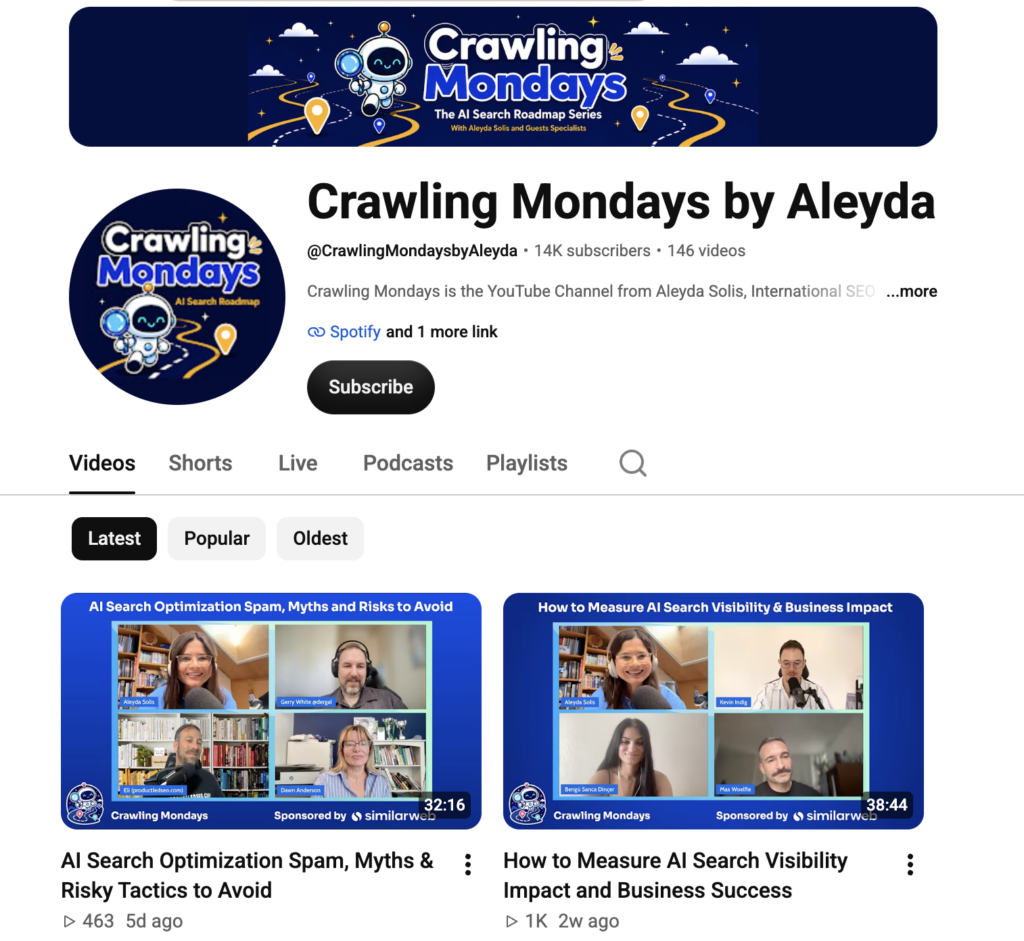
Aleyda Solis has built her reputation specifically around international and enterprise-scale technical SEO, the kind of work involving hreflang implementation, multi-region site architecture, and technical audits across dozens of country-specific domains simultaneously. Her Crawling Mondays video series functions as a diagnostic teaching format, walking through real technical problems rather than offering abstract advice. Her own site ranks in multiple languages, which is a fairly direct, practical proof point for anyone specifically evaluating international SEO methodology, since it demonstrates the approach working across the exact kind of multi-market complexity her clients face. She also maintains Remote SEO Jobs, a free curated jobs board for the industry, and she's known for responding quickly and specifically on X during major algorithm updates, often with concrete technical detail rather than general reassurance.
Best for: multi-region expansion, hreflang implementation, technical audits at scale.
2. Lily Ray
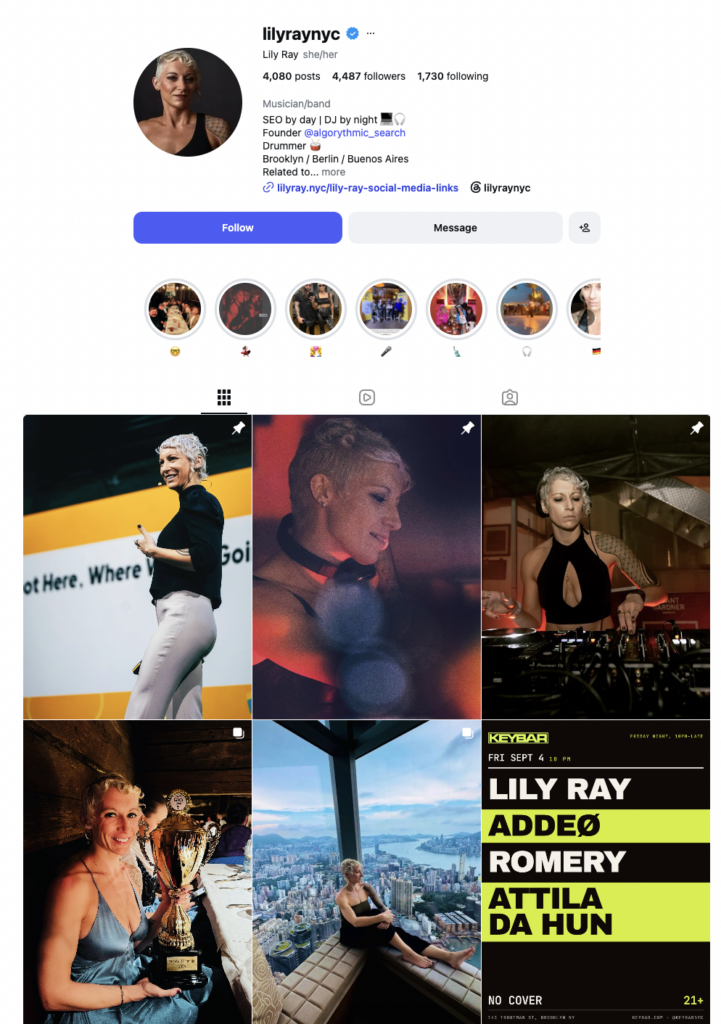
Lily Ray built much of her public reputation on detailed breakdowns of Google's core algorithm updates, often pulling data from dozens of affected sites to identify real patterns rather than speculating from a handful of examples. She's especially known for tracking Your Money or Your Life (YMYL) site recovery with granular before-and-after data, and her analysis threads have become something other SEO professionals reference and build on directly. She currently serves as Vice President of SEO and AI Search at Amsive, where she's worked since 2018, and in 2026 she also launched her own independent consultancy, Algorythmic, continuing her Amsive work as a strategic advisor alongside it. Her conference presence is grounded specifically in client work rather than general theory, which shows up in how concrete her update analysis tends to be.
Best for: algorithm update response, YMYL strategy, quality signal interpretation.
3. Cyrus Shepard
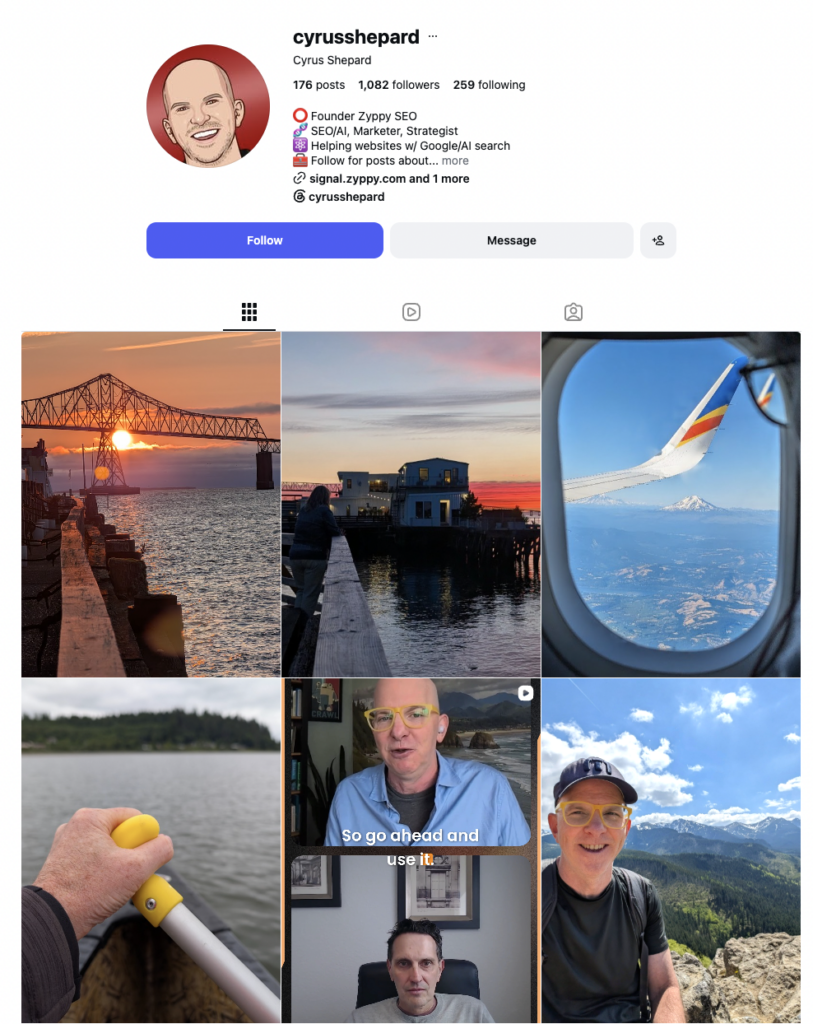
Cyrus Shepard built his early reputation at Moz before transitioning to independent work, a move that removed the safety net of an established brand and forced his strategies to hold up on their own. His personal site ranks for genuinely competitive terms while he documents the specific strategies behind that performance, which is a fairly direct test of whether his advice generalizes. His work covers advanced technical concepts, including TF-IDF and semantic search principles, packaged in a way practitioners can actually apply rather than purely academic treatment. He's also known for meta description research that shifted how a meaningful part of the industry approaches that specific element, and for sharing the Chrome extensions and workflow tools he genuinely uses day to day rather than promoting sponsored tools. He continues to contribute to Search Engine Journal, though his most detailed work tends to run in his own newsletter, where he has more room to go deep on a single topic.
Best for: technical concepts explained clearly, on-page optimization, semantic search strategy.
4. Marie Haynes
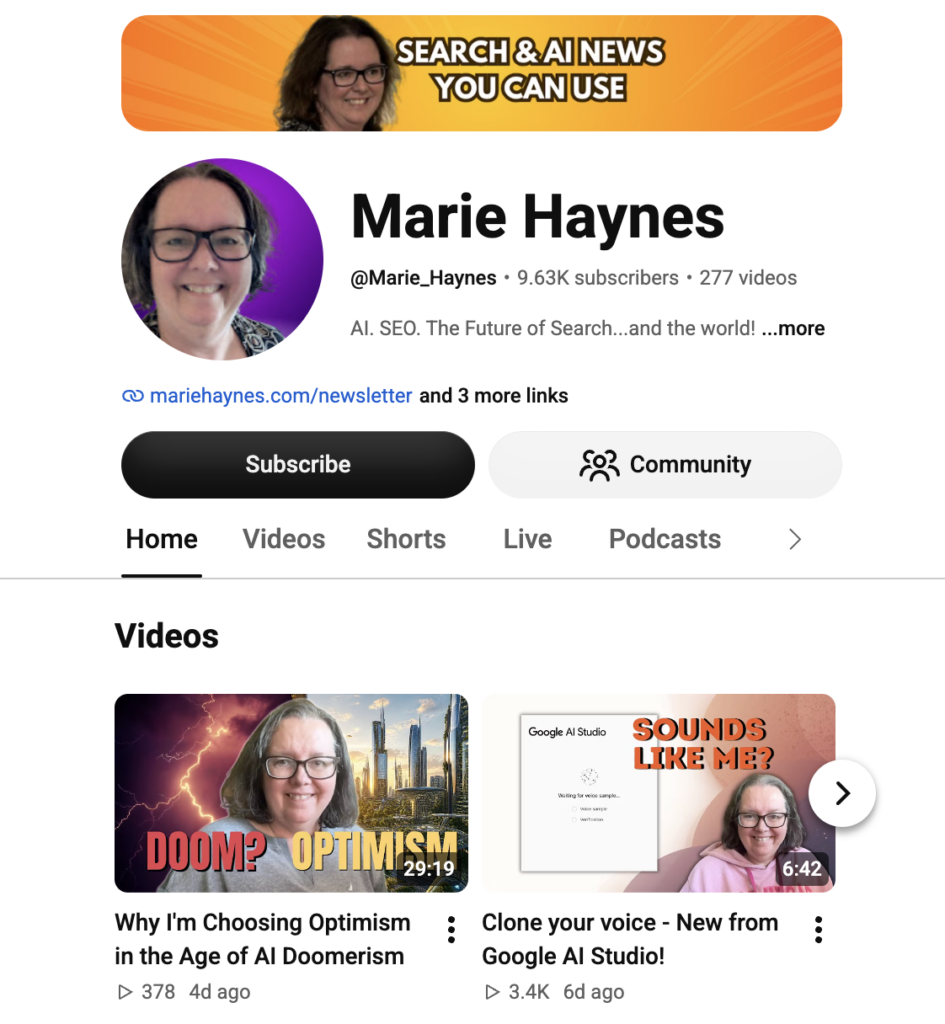
Marie Haynes built her early reputation on manual penalty recovery and link profile audits during the Penguin update era, hands-on diagnostic work that required actually fixing real sites rather than offering general commentary. When Penguin shifted from a periodic penalty to a continuously running algorithmic filter, she made a deliberate strategic pivot toward quality signals and what's now known as E-E-A-T (experience, expertise, authoritativeness, and trustworthiness), rather than continuing to sell penalty-recovery services that were becoming less relevant. That pivot is itself a useful signal of forward-thinking practice rather than clinging to an outdated specialty. Her algorithm update analyses consistently rank for the update names themselves, and her commentary on Google's Quality Rater Guidelines helps decode a document most practitioners find genuinely dense and hard to apply practically. She runs a paid newsletter with deeper technical analysis for subscribers, and her own site demonstrates the kind of author markup and expertise signaling she recommends to clients.
Best for: penalty recovery, link profile audits, understanding Google's quality framework.
The Content-First Strategists
Content-first SEO builds authority through genuinely comprehensive, useful content rather than manufactured link schemes, with a focus on answering a search query better than any competing result. The underlying logic holds up reasonably well across algorithm changes specifically because it centers on user satisfaction rather than a specific technical loophole that Google might close in a future update. This doesn't mean ignoring technical SEO entirely; it means starting from "what does the person searching actually need" and building technical excellence around that foundation, rather than treating the two as separate disciplines competing for priority.
5. Brian Dean
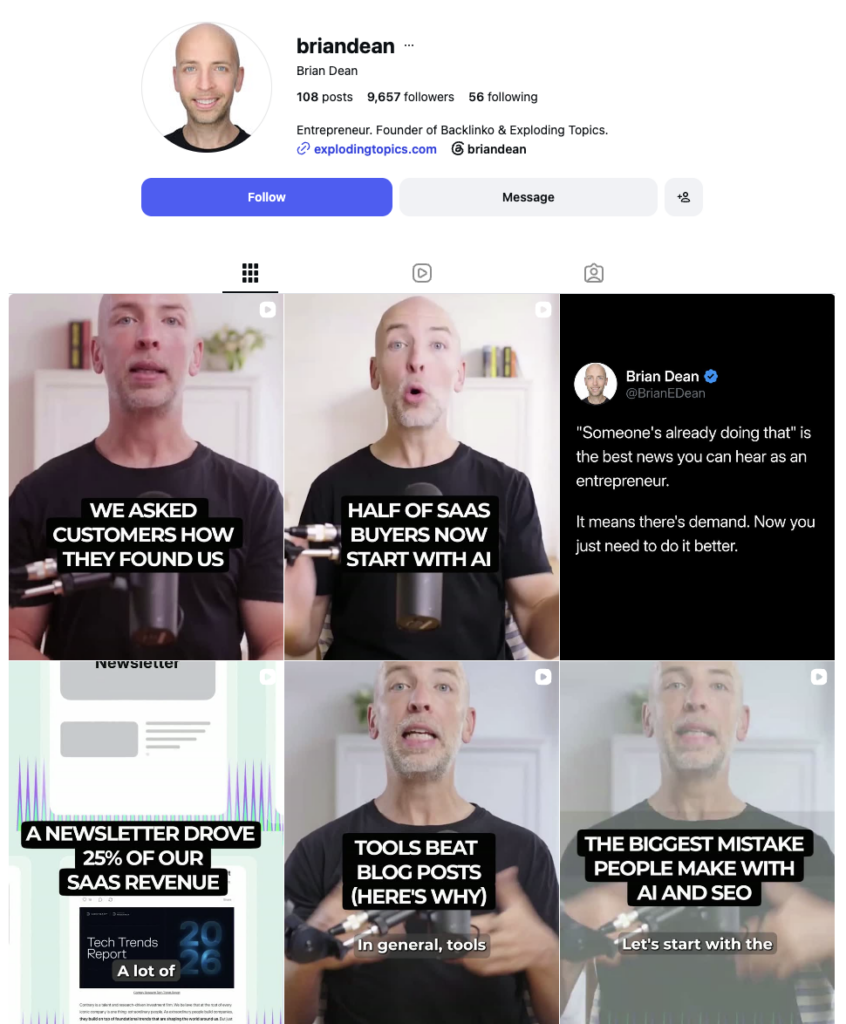
Brian Dean's site, Backlinko, ranks at or near the top for dozens of competitive SEO terms, and the Backlinko SEO guide remains one of the most comprehensive free resources in the space, outranking a fair number of paid tools and enterprise agency sites for the same core terms. His skyscraper technique, find content that's already ranking well, create something meaningfully better, then reach out to build links to it, requires genuine content creation skill, persistent outreach, and an honest, objective read on whether the new content actually clears the bar it needs to.
It's worth being direct about a real limitation here: the skyscraper technique demands significant time investment per piece, often weeks rather than days, which doesn't scale cleanly for smaller teams working on a daily publishing cadence. Dean's more recent public commentary has also acknowledged that Google's evaluation has shifted meaningfully toward user experience and brand signals since the technique was first popularized, which is a reasonable, honest evolution rather than a contradiction of the original idea. He's also developed the Backlinko SEO checker in partnership with Semrush, extending his content-based authority into a practical tool.
Best for: link-building fundamentals, content promotion frameworks, comprehensive SEO foundations.
6. Ross Simmonds
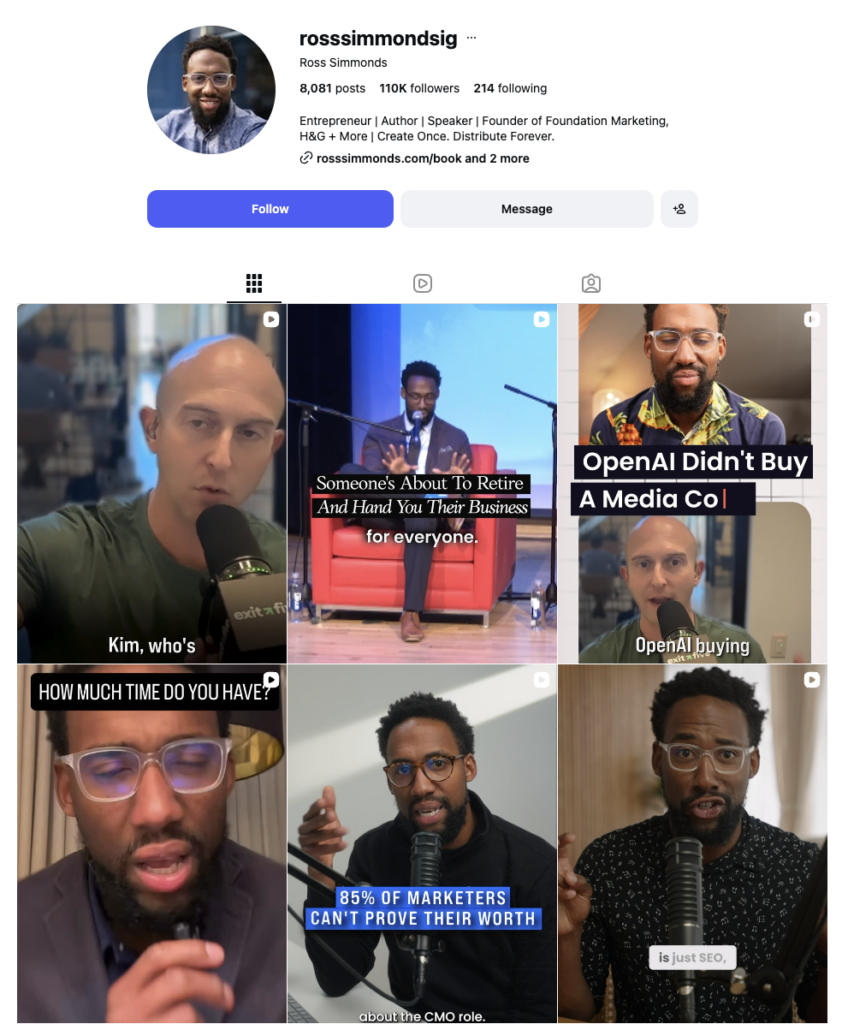
Ross Simmonds, founder of Foundation Marketing, built his reputation specifically around distribution rather than raw production volume, summarized in his "create once, distribute forever" framing, which pushes back directly against the constant-publishing treadmill a lot of content teams default to. His own site ranks for content marketing and distribution strategy terms specifically because he applies genuinely multi-channel thinking to his own content, not just his clients'. He shares real campaign numbers and specific promotion-channel breakdowns rather than purely aspirational case studies, and he's notably transparent about what didn't work in a given campaign, which makes his case studies genuinely useful rather than purely inspirational. He's active on both X and LinkedIn with platform-specific content strategies tailored to each, and his agency's own site demonstrates the multi-channel approach, spanning organic search, social, email, and content syndication, that he teaches.
Best for: content distribution, repurposing strategies, multi-channel content promotion.
7. Julia McCoy
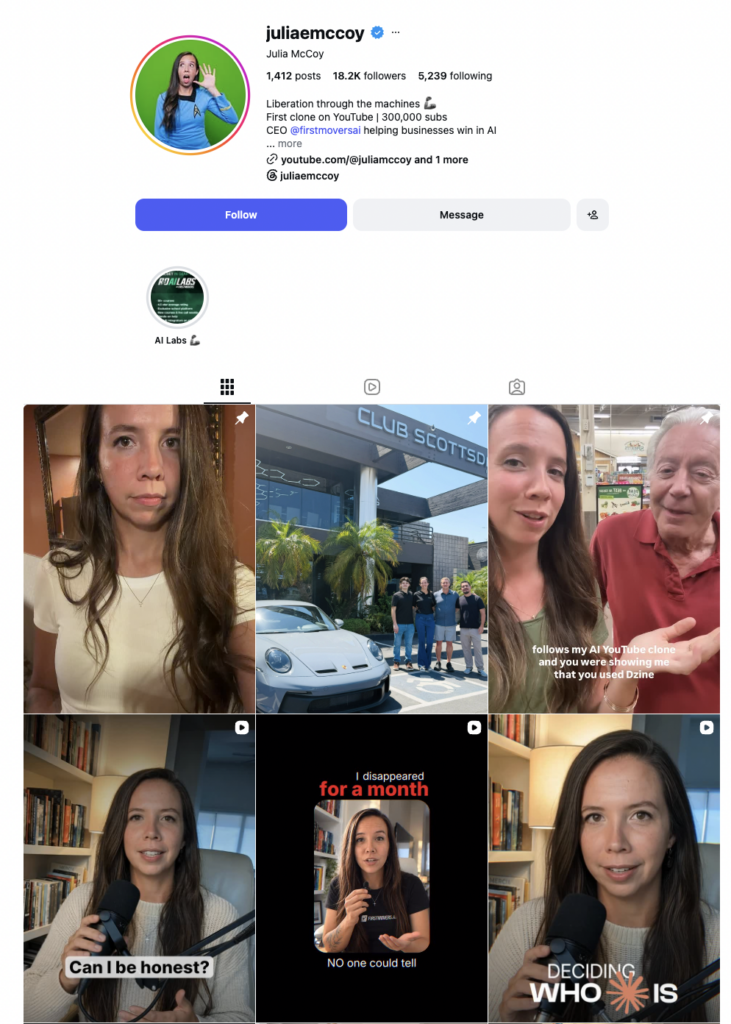
Julia McCoy founded Express Writers in 2011 and grew it into a content agency working with roughly 100 contractors before selling it for a seven-figure sum in 2021. She then became President of Content at Scale (later rebranded BrandWell), an AI writing platform, a genuinely sharp pivot from running a human-written content agency to leading an AI content company. In October 2024, she moved on from that role to launch First Movers, a new venture, and now also runs what she describes as the world's first AI-clone YouTube channel, continuing to evolve her public work as the AI content landscape itself keeps shifting.
Her transition from criticizing low-quality AI content early on to teaching a more strategic, quality-controlled use of AI demonstrates a degree of intellectual honesty that's fairly rare in a space full of firmly held, rarely revisited positions. Her sites rank for AI content and content-writing queries specifically because she addresses the quality question directly rather than avoiding it: her core message isn't whether to use AI, but how to maintain real editorial quality while using it, with genuine human editing and fact-checking applied to AI-assisted drafts rather than publishing raw output. Her personal brand has survived a complete business-model shift by staying anchored to that consistent quality-first message across each pivot.
Best for: AI content strategy, maintaining quality at scale, content-writing fundamentals.
8. Ann Handley
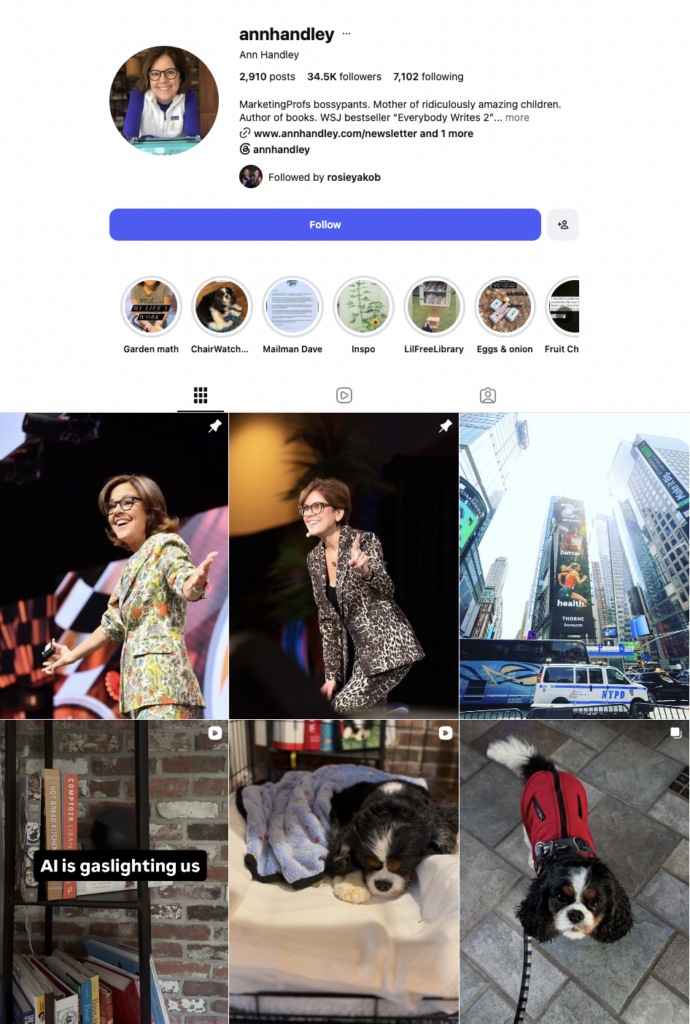
Ann Handley serves as Chief Content Officer at MarketingProfs and wrote Everybody Writes, and her core approach centers on writing quality and a distinct brand voice over tactical keyword optimization. That focus can seem counterintuitive in an industry often obsessed with technical checklists, until you look at how consistently it performs. Her Total Annarchy newsletter demonstrates personal brand-building through sustained quality rather than growth hacking, and her content ranks for content marketing terms largely through genuine authority, engagement, and being shared and referenced because it's actually well-written and useful, not through keyword density.
Handley's work sits at a useful intersection: a lot of technical SEO practitioners produce content that ranks but doesn't really resonate with anyone, while a lot of brand marketers produce content that resonates but never ranks. Her approach demonstrates that writing excellence and search visibility can reinforce each other rather than trading off against one another.
Best for: writing craft, brand voice development, content marketing strategy beyond pure SEO mechanics.
9. Amanda Natividad
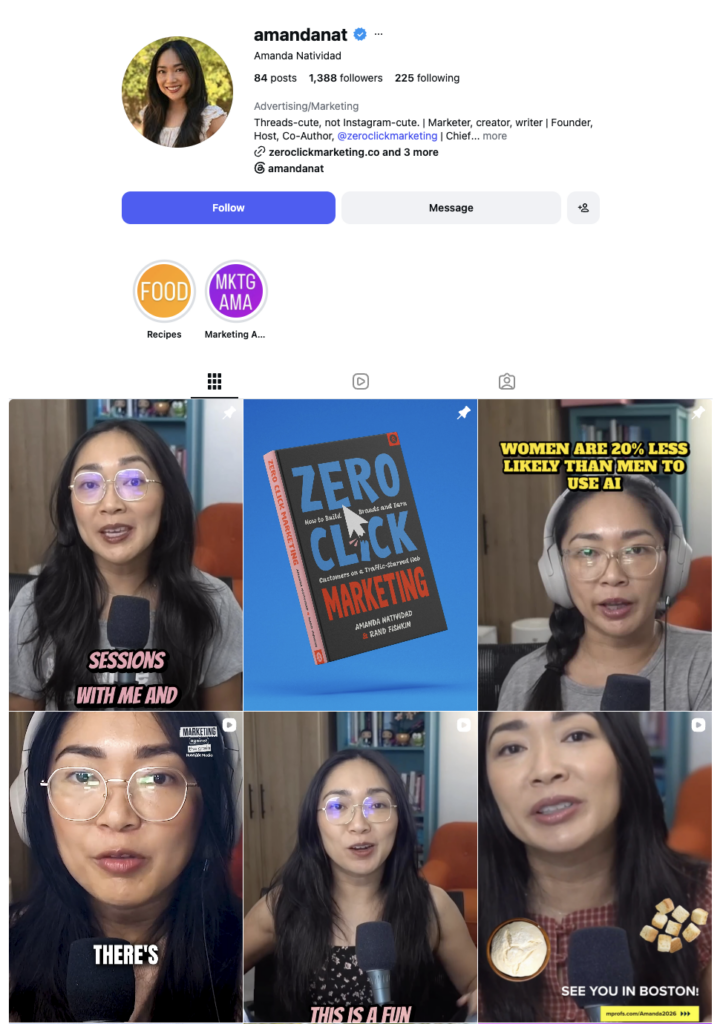
Amanda Natividad serves as Chief Evangelist at SparkToro, the audience research company co-founded by Rand Fishkin, and built her reputation specifically around a concept she coined and has continued to develop for years: zero-click content, material designed to deliver real, standalone value in the feed itself rather than existing purely to drag a reader toward a landing page. She's co-authoring a forthcoming book on the concept, Zero Click Marketing: How to Build Brands and Earn Customers on a Traffic-Starved Web, and her content demonstrates the approach directly rather than just describing it: her writing, video, and social posts are built to be genuinely useful on their own, which is precisely the argument she's making about how content earns trust before it earns a click.
Her social presence backs that positioning up concretely, which matters for evaluating whether her advice is actually tested rather than theoretical. She writes The Menu, a marketing newsletter with more than 16,000 subscribers, and shares her work across LinkedIn, Substack, X, Instagram, and Threads to a combined audience of more than 200,000 people, active enough that LinkedIn named her a Top Voice in content marketing in 2026. She also created Content Marketing 201, a top-rated course on the Maven platform, and hosts SparkToro's Office Hours webinar series, which regularly draws over 1,000 live signups per session, a genuinely direct signal that her specific point of view attracts an engaged, returning audience rather than one-time traffic.
Her broader contribution reframes a question a lot of the more traditional, link-focused SEO advice in this list doesn't fully address: in a search environment increasingly shaped by zero-click results and AI-generated summaries, where a user's question can get answered without ever visiting a website, what does content actually need to do to build a brand and earn a customer anyway? Her answer, that content itself has to carry real value independent of whether it drives a click, connects directly to the same underlying shift Rand Fishkin's work on zero-click search raised earlier in this piece, but Natividad's focus stays squarely on the practical, content-creation side of that problem rather than the audience-research side.
Best for: zero-click content strategy, building brand trust independent of traffic, content that performs in an AI-summarized search environment.
The Analytical Minds
The analytical approach to SEO runs experiments, analyzes real datasets, and challenges assumptions with actual research rather than opinion. People in this category tend to publish work with a genuine methodology section, not just conclusions, often including sample sizes and confidence intervals when sharing findings. Many bring an academic or data science background to search marketing specifically, and the discipline pushes practitioners to think more like scientists, testing hypotheses rather than copying tactics on faith. A willingness to say "the data here is inconclusive" when that's genuinely true tends to make someone more trustworthy, not less, and this kind of rigor is a real defense against cargo-cult SEO, copying a tactic without understanding the underlying principle it's supposedly built on. Conversion rate optimization specifically remains the second-most-used optimization technique among marketers, used by roughly 50% according to HubSpot's research, which underscores how much value data-driven optimization already carries across the industry.
10. Rand Fishkin
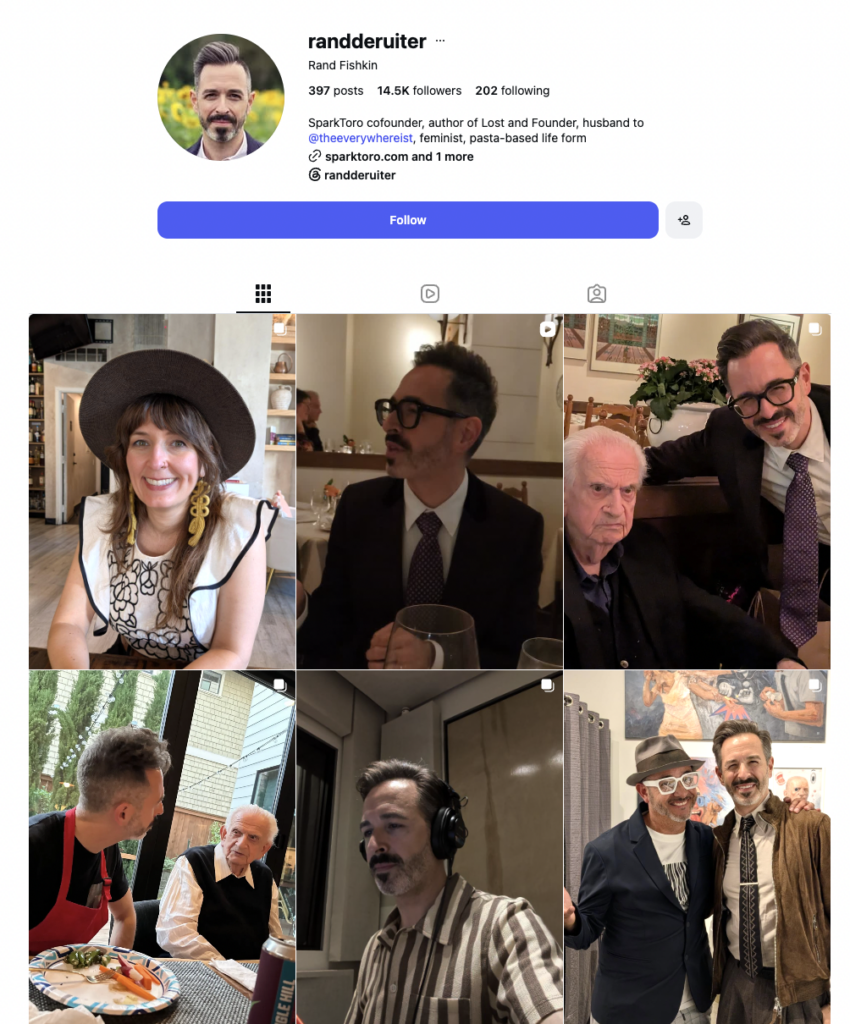
Rand Fishkin co-founded Moz before founding SparkToro, an audience research tool, a transition that reflected a genuine strategic read on where search behavior was heading rather than a simple career change. He was among the earliest and most vocal voices identifying zero-click searches as a shift that fundamentally changes the value equation for traditional SEO, and SparkToro was built specifically to help marketers understand their audiences beyond search behavior alone. His research and public commentary on zero-click search sparked real industry debate about Google's role in retaining search traffic rather than sending it elsewhere.
In late May 2024, Fishkin became the first person to report publicly on a major leak of internal Google Search API documentation, more than 2,500 documents containing over 14,000 potential ranking attributes, after an anonymous source shared the files with him. He worked with Michael King of iPullRank to help authenticate and distribute the findings, and Google subsequently confirmed the documents were genuine internal material. His older Whiteboard Friday videos from his Moz years remain widely referenced for foundational concepts, and the SparkToro blog continues to demonstrate an audience-research methodology built on analyzing real data rather than guessing. He's also a consistent advocate for diversifying traffic sources beyond Google, a position that acknowledges organic search's real vulnerability as a single-channel dependency.
Best for: audience research, zero-click search strategy, platform diversification.

11. Wil Reynolds
Wil Reynolds, founder of Seer Interactive, is known for running continuous, publicly documented SEO experiments, and specifically for using PPC data to inform SEO content decisions before committing resources. His approach tests a keyword in paid search first; if it doesn't convert even with precisely controlled targeting, it's a reasonable signal it probably won't convert organically either, which meaningfully reduces the risk of investing heavily in organic content for a term that was never going to perform.
He shares agency-level test results including failures, not just wins, and that transparency matters because most public case studies quietly cherry-pick their best outcomes. Sharing what genuinely didn't work helps other practitioners avoid repeating the same expensive mistakes. His conference presentations tend to include raw data and methodology rather than just polished conclusions, showing actual spreadsheets and explaining the statistical reasoning behind a given claim, including its limitations, which helps other practitioners judge whether a given finding actually applies to their own situation.
Best for: PPC and SEO integration, testing frameworks, challenging conventional wisdom with data.
12. Tom Capper
Tom Capper has headed Moz's Subject Matter Expert team since February 2021, and as of May 2026 holds the title of Director of Search Product Strategy there, continuing to shape the data and insights behind Moz's products and metrics. His title itself signals a methodological approach: separating correlation from causation, a distinction a lot of popular SEO advice glosses over entirely. Two things happening together doesn't mean one caused the other, and Capper's public research on Google's core updates consistently shows not just what he found, but exactly how he found it, which lets other researchers actually evaluate and attempt to replicate the work rather than taking it on faith.
He's also known for critiquing methodologically flawed SEO studies and explaining the specific statistical errors behind them, functioning as a kind of quality control for the industry's broader evidence base. His conference presentations include confidence intervals and p-values where relevant, giving audiences a genuine sense of how reliable a given finding actually is rather than presenting every result with equal, unearned confidence.
Best for: understanding ranking factor research, statistical thinking in SEO, evaluating SEO claims critically.
13. Kyle Roof
Kyle Roof co-created PageOptimizer Pro and built his reputation on a distinctive testing methodology: creating test sites in genuinely non-competitive niches specifically to isolate individual ranking factors without the noise of existing brand authority or backlink history interfering with the result. That controlled environment removes a lot of the confounding variables that make real-world SEO testing so difficult to interpret cleanly. His more recent focus has shifted toward entity optimization and semantic relationships, essentially testing how Google understands a topic beyond simple keyword matching.
His testing results have sometimes directly contradicted popular SEO advice, which is exactly the kind of finding that should push the industry to update its assumptions rather than dismiss the result. It's worth noting a genuine limitation here: because his tests run in a controlled, low-authority environment, results sometimes diverge from what happens on established, high-authority sites, a distinction worth taking seriously rather than treating his findings as universally applicable. That limitation doesn't invalidate the research; it clarifies what it actually measures, on-page optimization factors specifically, rather than site-level authority effects. His earlier venture, Internet Marketing Gold, operated from 2019 through September 2025; his current course offerings continue through his personal site and PageOptimizer Pro directly.
Best for: entity SEO, controlled testing methodology, on-page optimization testing.
14. Bill Slawski (Honorary Mention)
Bill Slawski passed away on May 17, 2022, and it's worth stating that plainly and respectfully rather than glossing over it, since his work remains genuinely influential years later specifically because of how forward-looking it was. His blog, SEO by the Sea, which he started in 2005 and maintained until his death, analyzed Google's published patents to understand the mechanics behind the algorithm before those mechanics became visible in actual search results. His patent breakdowns predicted features like featured snippets and passage-based ranking years before their public launch, which is a genuinely rare track record in an industry that mostly reacts to changes after they happen.
His broader contribution was teaching the industry to think about the underlying problems Google was actively trying to solve, rather than just reacting to symptoms visible in ranking fluctuations. That forward-looking discipline, studying Google's own research and patent filings to understand its long-term direction, helped practitioners prepare for shifts rather than scrambling to respond after the fact, and the analytical influencers who continue that patent-research tradition today are working directly in the methodology he established. His archive remains genuinely relevant for understanding search engine fundamentals that persist across individual algorithm updates.
Best for: understanding algorithm development, historical context, patent research methodology.
The Algorithm Decoders
This category monitors Google's official communication channels, update rollouts, and real-time SERP changes, translating fairly opaque Google-speak into something practitioners can actually act on. A statement like "improved understanding of content quality" needs real interpretation to mean anything actionable, and several people in this category maintain direct relationships with Google that give them context others simply don't have access to. Their value peaks specifically during major algorithm updates, when a lot of sites see ranking shifts with no clear public explanation, and these voices synthesize information from multiple sources into something closer to a coherent, useful explanation.
| Decoder Type | Information Source | Response Speed | Best Use Case |
| Real-time analyst | Direct client and site-level data | Fast, often within hours of a rollout | Diagnosing specific update impact |
| Official channel | Direct Google communication | Immediate but carefully worded | Confirming whether an update is happening at all |
| News aggregator | Cross-industry monitoring | Continuous, same-day coverage | Staying current without monitoring dozens of sources |
| SERP feature specialist | Structured data and feature tracking | Ongoing, research-based | Optimizing for rich results and non-standard listings |
15. Glenn Gabe
Glenn Gabe, a digital marketing consultant, specializes in analyzing the real-time impact of algorithm updates, publishing detailed case studies with actual site-specific examples during and after major core updates. That specificity is the key differentiator in his work: rather than a vague statement like "the update hit health sites hard," he shows which specific health sites were affected, what they had in common structurally or in terms of content, and what likely triggered the impact.
He monitors SERP volatility tools and aggregate patterns across a wide range of client sites, and his X feed becomes an essential source during major updates, sharing real data (with permission) from affected sites while a lot of public commentary elsewhere is still speculating. That gives the broader community visibility into what's actually happening across different verticals and site types simultaneously, which is genuinely hard to piece together from any single source. His diagnostic focus, identifying the specific issue behind a drop, whether it's a content quality problem, a technical issue, or a trust signal gap, tends to be more immediately useful than simply documenting that a drop happened.
Best for: real-time update analysis, understanding specific update impacts, recovery strategy.
16. John Mueller (Honorary Mention)
John Mueller serves as a Search Advocate at Google, participating in office hours and public discussions to provide context on Google's features and general recommendations. His responses genuinely require careful interpretation, since he can't reveal proprietary algorithm details even when he clearly understands the mechanics behind a question. Reading between the lines of his carefully worded answers is a real skill, and one worth developing if his commentary is a regular part of someone's information diet.
He's valuable specifically for understanding Google's perspective on technical implementation choices; when there are multiple ways to solve a given technical problem, he can often indicate which approaches align more cleanly with how Google's systems are actually built to work. He's not a traditional independent SEO influencer in the sense the rest of this list uses that term, since he represents Google's official position rather than an independent, testable strategy of his own. His limitations matter just as much as his insights: he generally can't confirm specific ranking factors or validate a particular tactic outright, but he can explain how Google's systems are designed to function and what the search quality team broadly recommends, which is still useful for making better-informed decisions even without a direct yes-or-no answer.
Best for: official guidance, technical implementation validation, understanding Google's stated recommendations.
17. Barry Schwartz
Barry Schwartz founded Search Engine Roundtable and functions as the search industry's primary daily news source, publishing multiple stories a day covering algorithm updates, official Google announcements, and notable community discussions. If something is happening in search, there's a strong chance Schwartz has already covered it, since he monitors Google's own forums, social platforms, and a wide range of industry sources specifically to catch breaking developments quickly.
His Google update tracker provides a genuinely useful historical timeline, helping practitioners determine whether current ranking volatility maps to an announced, named update or represents something new and unconfirmed. He's also CEO of RustyBrick, a web development firm, which means he's not purely reporting on SEO from the outside; he's also directly managing client sites affected by the exact changes he covers, which keeps his reporting grounded in practitioner reality rather than pure commentary. His coverage extends beyond major updates to genuinely subtle SERP feature changes and interface tweaks that a lot of other outlets miss entirely, and his historical archives function as real reference material for understanding when specific features actually launched and how updates have progressed over time. Understanding authenticity in influencer marketing has a direct parallel here: Schwartz's credibility comes specifically from the consistency and volume of firsthand reporting over many years, not from any single viral post.
Best for: daily industry news, update tracking, historical context.
18. Danny Sullivan
Danny Sullivan serves as Google's Search Liaison, making him the most direct official public voice for Google Search specifically. He announces updates, clarifies Google's official positions, and manages communication during major algorithm changes. His background as a search journalist before joining Google gives him a genuinely unusual dual perspective, understanding both how Google's engineering teams think and how the SEO community actually receives and reacts to Google's communication.
His X account becomes an authoritative source during active updates, often confirming directly whether observed volatility represents a real, named update or normal ranking fluctuation. He participates in industry conferences and maintains ongoing relationships with SEO practitioners, which gives him real visibility into community concerns rather than operating purely from inside Google's internal perspective. His statements carry genuine official weight, but they still require the same kind of careful interpretation John Mueller's guidance does; he can't reveal proprietary algorithm details, but he can confirm general directions and directly debunk circulating myths. When conflicting information spreads about a specific update, his clarification is often what actually settles the debate.
Best for: official announcements, update confirmations, myth debunking.
19. Mordy Oberstein
Mordy Oberstein serves as Head of SEO Brand at Wix and co-hosts the SERP's Up SEO Podcast alongside Wix's Head of SEO Communications, Crystal Carter. His focus centers specifically on SERP feature analysis, tracking which features, rich results, featured snippets, knowledge panels, appear for which query types, and how to optimize for them directly.
His research quantifies how often specific SERP features actually appear across different industries and query types, which bridges technical SEO with a genuinely useful brand-visibility lens: ranking isn't purely about position anymore, but about how much actual SERP real estate a result captures. A third-position result with a rich snippet can sometimes capture more clicks than a first-position result with a plain, standard listing, and Oberstein's data on click-through rates by SERP feature type helps practitioners prioritize where optimization effort actually pays off. The podcast itself brings in a genuinely wide range of voices from across the search industry, surfacing different, sometimes conflicting perspectives on ranking strategy rather than presenting a single house view. His accessible, engaging style on social media makes complex SERP changes understandable across experience levels, and his consistent, specific content on result-display evolution is exactly why his own material ranks well for SERP feature terminology.
Best for: SERP feature optimization, understanding result display types, schema markup strategy.
Frequently Asked Questions
What makes these SEO influencers different from others?
The 19 people above rank for genuinely competitive terms within their own specialties, which is direct evidence their strategies work in live search results rather than remaining theoretical. This list prioritizes practitioners who test their own advice on their own sites, apply it with real clients, and document the results with actual data rather than anecdote. A number of well-known SEO personalities don't appear here specifically because their own sites don't perform well in search results for their core topics, which reveals a real gap between general industry influence and demonstrated execution. The people profiled here show consistent alignment between what they teach and what measurably generates rankings.
Should I follow influencers from all four categories?
Generally, yes. Following across all four categories provides useful redundancy for whenever an algorithm update disrupts conventional wisdom in one specific area but leaves the others intact. A technical change might invalidate a specific implementation tactic while content-quality principles remain completely unaffected; a shift in how Google evaluates authority signals might change without touching analytical testing methodology at all. The strongest overall SEO strategies tend to incorporate technical infrastructure, genuine content excellence, data-driven testing discipline, and real-time algorithm awareness together. A reasonable starting point is following one or two people matching your most immediate need, then expanding into other categories as different aspects of a strategy come into focus.
How do I know if an influencer's advice applies to my site?
Check whether the case studies and examples being cited actually match your site's scale, industry, and available resources. Enterprise-level technical solutions frequently don't translate cleanly to a small business site with limited developer access, and content strategies that assume weeks of production time per article don't fit a team publishing daily. YMYL (Your Money or Your Life) site tactics often differ meaningfully from what works for an entertainment or hobby site. Look specifically for influencers who address sites similar to yours in scale and category, and who acknowledge the limitations or context-dependency of their own findings rather than presenting every tactic as universal. It's also worth testing any new strategy on a small scale before rolling it out site-wide.
Are the best SEO influencers always algorithm experts?
No, different specializations matter more at different times depending on what problem you're actually facing. Technical architects solve infrastructure problems that prevent a site from ranking regardless of content quality. Content strategists build the kind of authority that tends to survive algorithm changes because it's grounded in genuine user satisfaction. Analytical minds develop testing frameworks that remain useful across successive algorithm iterations, since the discipline of testing outlasts any single finding. Algorithm decoders help you respond quickly when Google visibly changes ranking behavior in real time. The most useful influencer for your situation genuinely depends on your current bottleneck, whether that's a technical issue, a content gap, a measurement problem, or active update recovery.
How often should I check these influencers for updates?
During major algorithm updates specifically, checking algorithm decoders like Glenn Gabe, Barry Schwartz, and Danny Sullivan daily makes sense, since pattern identification and official confirmation both move quickly during that window. For ongoing strategy development, reviewing content from technical architects and content-first strategists on a weekly or monthly basis tends to be sufficient as you implement longer-term improvements rather than reacting to daily noise. For testing methodology and analytical approaches specifically, a quarterly deep dive into research from people like Rand Fishkin, Wil Reynolds, and Tom Capper tends to be enough to meaningfully refine measurement and experimentation practices without constant monitoring. Setting up alerts for major publications from each source, rather than trying to track everything they post in real time, is generally the more sustainable approach. If you're building out a broader strategy for measuring SEO campaign performance alongside this kind of ongoing monitoring, it's worth treating both as part of the same measurement discipline rather than separate efforts.
Final Thoughts
The strongest SEO influencers prove their advice by ranking for the competitive terms tied directly to that advice. This list specifically prioritizes practitioners who test their own strategies on their own sites, effectively turning their own platforms into live, ongoing case studies rather than purely theoretical showcases.
Your own follow list should reflect your current priorities and actual knowledge gaps, not simply follow whoever has the largest audience. If you're facing technical indexing problems, start with the Technical Architects. If you need content that actually converts rather than just draws traffic, focus on the Content-First Strategists. These 19 voices represent genuinely different philosophies, and that disagreement between them is itself valuable information. When credible practitioners contradict each other on a specific point, it's worth paying close attention, since disagreement often reveals exactly where context matters most: what works for a large enterprise site frequently doesn't work for a small independent publisher, and what succeeds in a YMYL industry can fail outright in an entertainment niche with very different audience expectations.
SEO changes constantly, but the underlying thinking frameworks these 19 people teach tend to remain relevant across individual algorithm updates, even when specific tactics eventually need updating. A reasonable starting point is picking one or two names from the categories matching your most immediate needs, then watching closely how they respond during the next major algorithm shift. The real value here isn't a checklist to copy blindly; it's learning how to evaluate a search problem, test a proposed solution, and adapt when Google inevitably changes the rules again, which it reliably does. The people who rank for their own advice while teaching others to do the same aren't just talking about SEO from the sidelines. They're living inside the same constraints and opportunities they're asking everyone else to navigate, which is exactly what makes their guidance worth taking seriously.